Saint Paul, Minnesota
Saint Paul: Mississippi River exposure and recovery beyond the waterline
Review Saint Paul's Mississippi River flood context, heavy-rain concerns and why property restoration must separate local warnings from indoor conditions.
Published · Reviewed · Water Damage Dispatch
Educational guidance, not a current warning, parcel-level hazard assessment, emergency service, insurance coverage decision or guarantee of contractor availability. Follow local authorities and call 911 for immediate danger.
Property loss in Saint Paul
Saint Paul's river setting is central to its flood planning, but its own resilience documents distinguish mapped river exposure from other circumstances. That distinction helps owners make recovery decisions without treating a citywide hazard as an identical loss at every address.
The river context includes specific areas, not the entire city
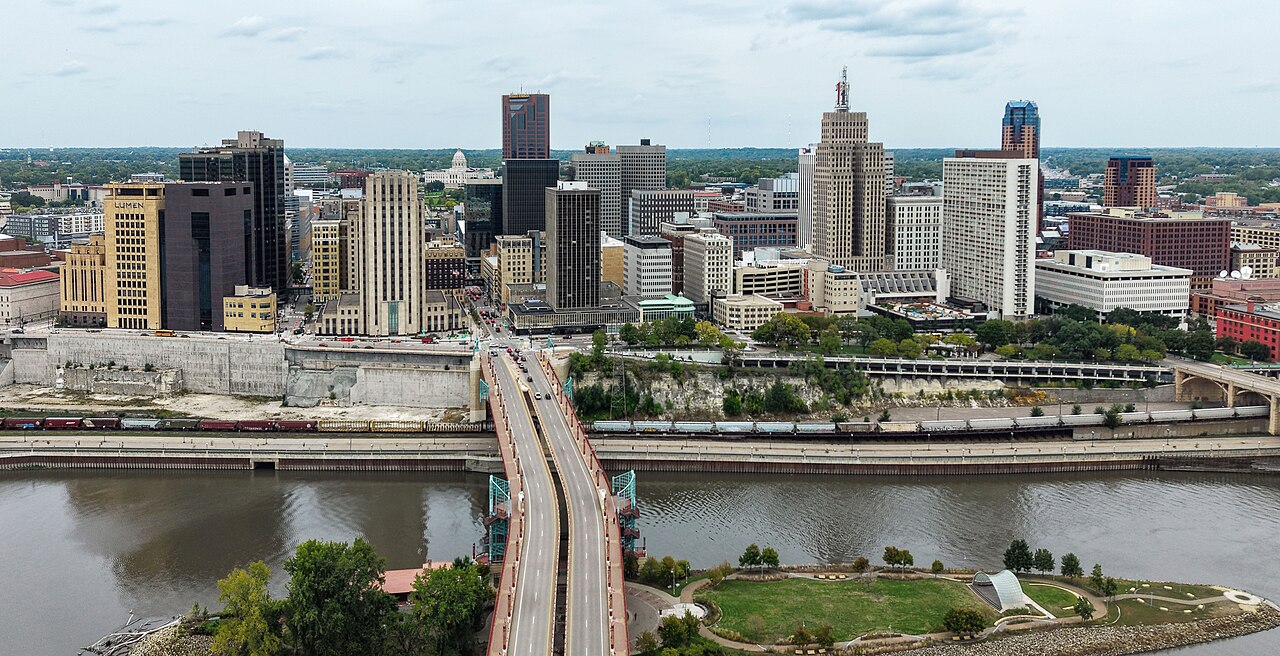
Saint Paul's climate-action and resilience plan identifies flood concerns near the Mississippi and discusses places including Lowertown and Harriet Island. Such examples are planning context rather than a diagnosis of every property nearby. Owners need to verify the actual address, the relevant map and observed water entry before assigning a cause or repair strategy.
Preparedness information should be checked where it is current
The city's flood-safety and weather-preparedness resources provide routes to warnings, planning and safety information. They are distinct from hypothetical climate scenarios, which must not be mistaken for records of events that already happened. This guide does not turn a modeled future flood into local history or publish a stale forecast as current advice.
Sources: Flood Safety | Saint Paul Minnesota · Weather Safety and Preparedness | Saint Paul Minnesota
River recession does not settle the indoor questions
A residence, workplace or stored inventory can remain affected after outside conditions improve. Flood-contact materials may need contamination assessment, controlled handling or replacement, while other building layers need measured drying. Restoration providers add value by documenting those separate decisions. Utilities, building authorities and other appropriate professionals retain responsibility for questions that fall outside an interior cleanup contract.
Sources: Guidelines for Cleaning Safely After a Disaster | Natural Disasters | CDC · Resources for Flood Cleanup and Indoor Air Quality | US EPA
Use measured conditions to plan the return indoors
A Saint Paul owner should ask the contractor to distinguish observed river-water contact from assumptions based on a nearby planning area. Construction layers, contents and services can have different conditions even within one property. The scope should explain that boundary and the basis for each treatment.
After access is permitted, contamination decisions and moisture observations help establish the order of cleaning, removal and repair. A restoration company can organize those records but cannot turn a modeled climate scenario into a damage finding or certify the Mississippi floodplain. Qualified specialists and authorities must address any actual structural, service or regulatory issues outside the interior work.
Sources: Guidelines for Cleaning Safely After a Disaster | Natural Disasters | CDC · Resources for Flood Cleanup and Indoor Air Quality | US EPA
If damage happens
Check the source's purpose
Distinguish current Saint Paul warnings, historical records and hypothetical scenarios before relying on a local hazard account.
Respect property-specific restrictions
Do not infer safe entry from improved river conditions or another building's access status.
Ask for documented treatment choices
Request a room and contents record explaining contamination, retained layers and the evidence needed before reconstruction.
Locate Saint Paul
City-center location map only—not a flood-risk map, hazard boundary, live warning or address-specific assessment.
Official sources and review notes
Local sources establish geographic and hazard context. CDC and EPA resources provide general recovery guidance. Historical notices and draft plans are identified in the text; they are not current warnings or funding approvals.
- SAINT PAUL CLIMATE ACTION & RESILIENCE PLAN — stpaul.gov. Checked 2026-10-18.
- Flood Safety | Saint Paul Minnesota — stpaul.gov. Checked 2026-10-18.
- Weather Safety and Preparedness | Saint Paul Minnesota — stpaul.gov. Checked 2026-10-18.
- Guidelines for Cleaning Safely After a Disaster | Natural Disasters | CDC — Centers for Disease Control and Prevention. Checked 2026-10-18.
- Resources for Flood Cleanup and Indoor Air Quality | US EPA — U.S. Environmental Protection Agency. Checked 2026-10-18.
Saint Paul recovery questions
Can a future climate scenario be treated as a Saint Paul flood record?
No. A scenario illustrates possible conditions, not an event that has already occurred. Use clearly dated historical sources and current official information for those different questions.
Do Lowertown or Harriet Island examples determine my repair plan?
No. They provide planning context. Your actual water route, materials and services need their own assessment, even if a nearby property experienced the same broader event.
Compare listings, then confirm the fit
Browse listed companies in Minnesota. A state listing is not proof of service at your address, an emergency dispatch promise or a coverage decision. Confirm location, services and availability directly.
Browse Minnesota restoration companies · Regional property-damage guide