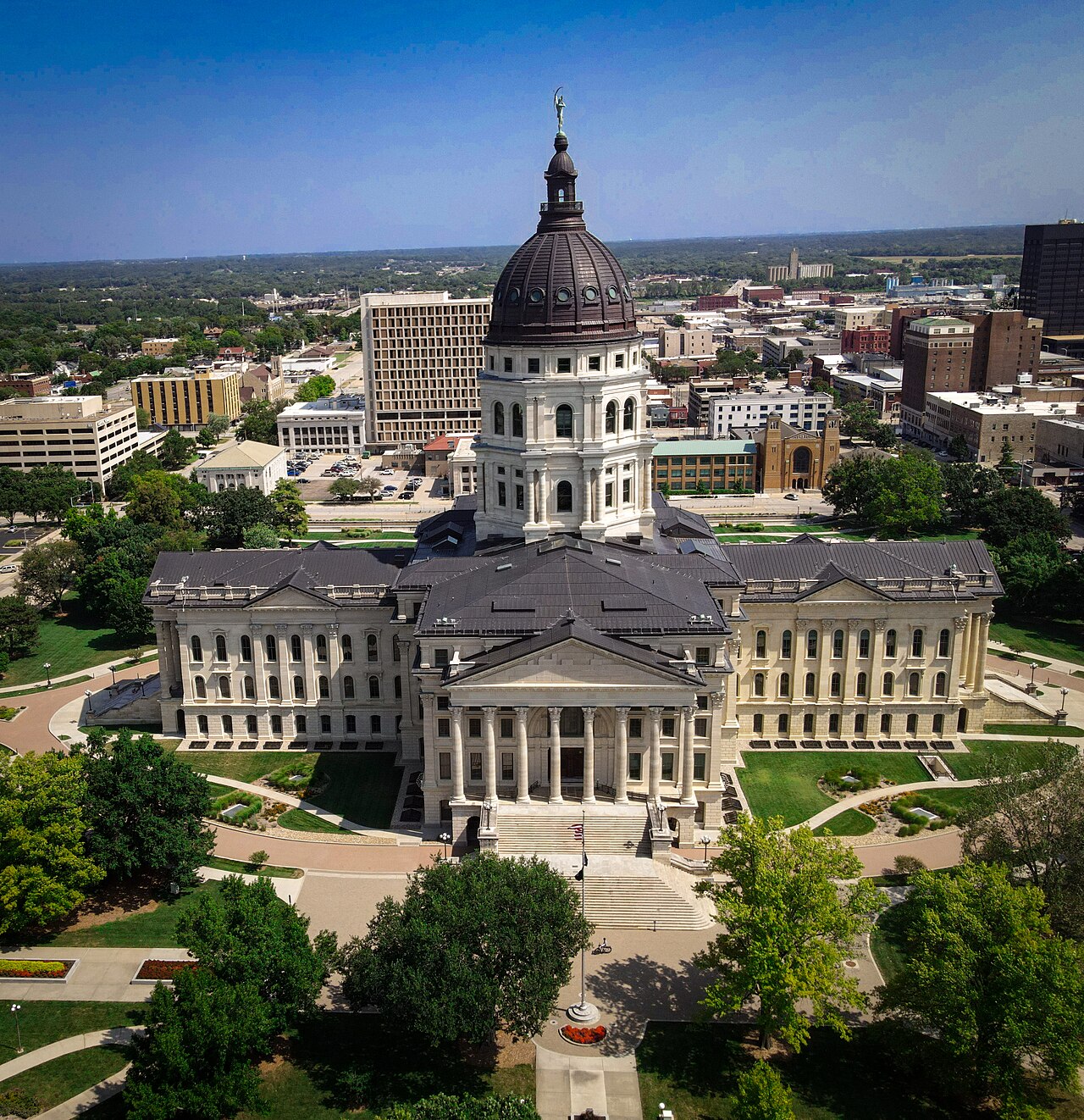
Topeka, Kansas
Topeka: river history, neighborhood storm impacts and rebuilding decisions
Review Topeka's Kansas River flood history and documented neighborhood storm impacts, with guidance on safe access and a clear restoration work scope.
Published · Reviewed · Water Damage Dispatch
Educational guidance, not a current warning, parcel-level hazard assessment, emergency service, insurance coverage decision or guarantee of contractor availability. Follow local authorities and call 911 for immediate danger.
Property loss in Topeka
Topeka's recovery needs can arise from very different events: a major river flood or a storm that damages trees, power lines and buildings. The city's own response information shows why those losses need coordinated work rather than one undifferentiated cleanup order.
Kansas River history is context, not a present forecast
The National Weather Service's Topeka office documents the 1951 Kansas River flood, including impacts on homes and businesses. Historical accounts explain the importance of official flood information, but an old river crest does not predict conditions at a current address. Owners should use contemporary mapping and warnings, then document the source and extent of any actual building intrusion.
Sources: The Flood of 1951 in Northeast Kansas - NWS Topeka, KS
Storm damage can delay work in specific neighborhoods
A city storm-response notice describes damage in the River Corridor, Potwin and Oakland neighborhoods and notes that crews sometimes had to wait for the electric utility to clear power lines. This is an account of that response, not a claim that those neighborhoods are presently closed. It makes a practical point: tree and electrical hazards can determine when property restoration is able to begin.
Runoff concerns continue after an initial storm
Topeka's after-storm resource page explains that saturated soil or concentrated rainfall can increase runoff and flood potential. Temporary repairs should therefore be evaluated in relation to continuing weather and safe drainage, not merely the first visible damage. A household or business benefits when the scope distinguishes exterior protection, affected interior materials and the work that remains dependent on other qualified trades.
Resolve overhead hazards before interior mitigation
A Topeka scope should separate the work of clearing overhead hazards from the treatment of a wet interior. Where lines, unstable trees or structural concerns remain, the appropriate utility or specialists must address them first. A restoration provider's availability does not remove those prerequisites.
After entry is permitted, ask for the observed water route, contamination concerns and affected assemblies. Continuing runoff or an unrepaired opening may require a separate specialist before finishes are restored. Documentation should make those limits visible and show how material condition informs the next step. That is a more useful recovery record than treating a river history or neighborhood storm account as a complete diagnosis.
Sources: Guidelines for Cleaning Safely After a Disaster | Natural Disasters | CDC · Resources for Flood Cleanup and Indoor Air Quality | US EPA
If damage happens
Check current access, not old notices
Use present city and utility instructions rather than assuming a historical neighborhood closure remains in force.
Avoid overhead and service hazards
Keep away from downed lines and unstable trees while the responsible qualified teams address them.
Request source-specific material decisions
After safe access, ask how runoff, outside water or an opening changes the proposed cleaning and repair work.
Locate Topeka
City-center location map only—not a flood-risk map, hazard boundary, live warning or address-specific assessment.
Official sources and review notes
Local sources establish geographic and hazard context. CDC and EPA resources provide general recovery guidance. Historical notices and draft plans are identified in the text; they are not current warnings or funding approvals.
- City of Topeka addresses storm damage — topeka.gov. Checked 2026-10-18.
- The Flood of 1951 in Northeast Kansas - NWS Topeka, KS — weather.gov. Checked 2026-10-18.
- After the Storm: Severe Weather Resources — topeka.gov. Checked 2026-10-18.
- Guidelines for Cleaning Safely After a Disaster | Natural Disasters | CDC — Centers for Disease Control and Prevention. Checked 2026-10-18.
- Resources for Flood Cleanup and Indoor Air Quality | US EPA — U.S. Environmental Protection Agency. Checked 2026-10-18.
Topeka recovery questions
Can interior work start while nearby power lines are unresolved?
Not where those conditions make access or work unsafe. Follow utility and emergency instructions; a contractor's cleanup plan cannot replace line clearance or appropriate service assessment.
Should every material be removed after a Topeka flood?
A blanket answer is not useful. Contamination, construction and condition guide the decision. Ask for the evidence supporting each removal or retention, including any concealed wetting.
Compare listings, then confirm the fit
Browse listed companies in Kansas. A state listing is not proof of service at your address, an emergency dispatch promise or a coverage decision. Confirm location, services and availability directly.
Browse Kansas restoration companies · Regional property-damage guide