Trenton, New Jersey
Trenton: Delaware River context and the Assunpink recovery connection
Understand Trenton's Delaware River and Assunpink flood-planning context, with practical guidance separating official mitigation work from interior repairs.
Published · Reviewed · Water Damage Dispatch
Educational guidance, not a current warning, parcel-level hazard assessment, emergency service, insurance coverage decision or guarantee of contractor availability. Follow local authorities and call 911 for immediate danger.
Property loss in Trenton
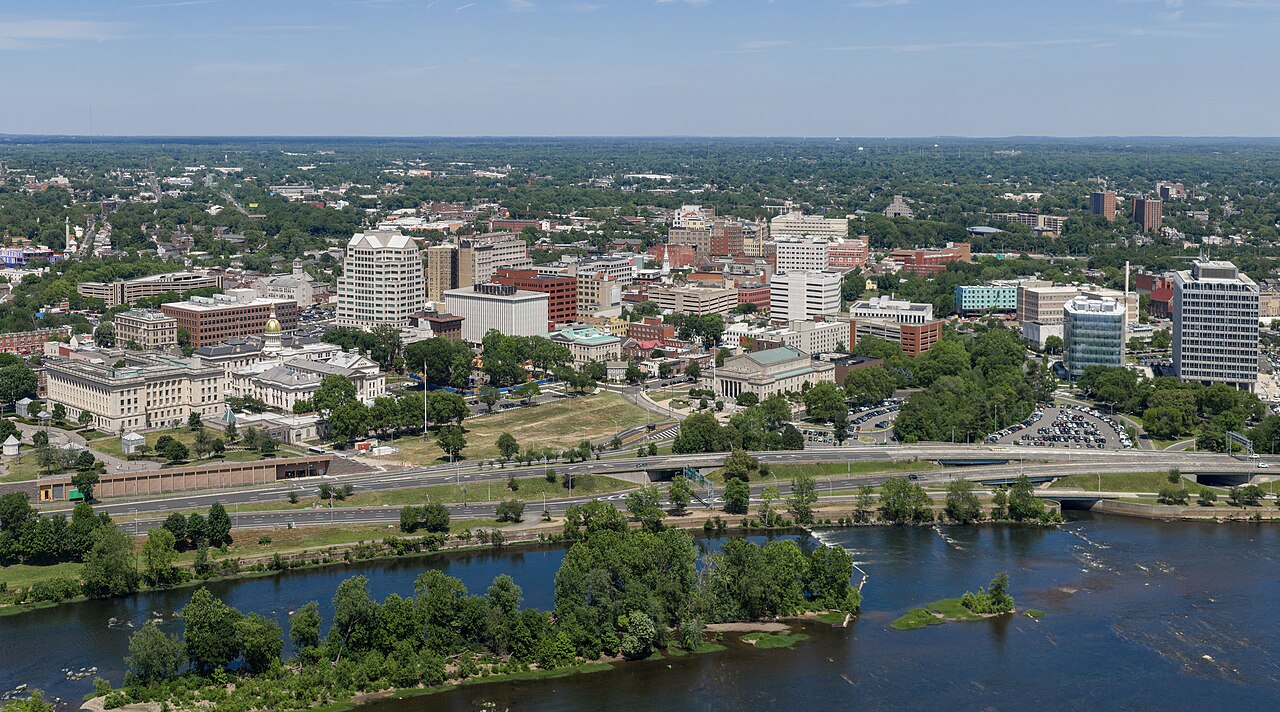
Trenton's flood history and planning connect the capital to both the Delaware River and Assunpink Creek. Those connections explain why a local recovery guide needs more detail than a general statement that storms can damage property.
Basin planning must be read at the correct scale
The Delaware River Basin Commission's New Jersey flood-mitigation material includes a Trenton city profile within Mercer County. Basin-scale planning can explain local flood-management concerns, but an older plan does not establish current boundaries or conditions at every address. Owners should verify current official records and document the actual water entry before drawing conclusions about their own building.
Sources: Section 6: Flood Profile and Mitigation Action Plan by ...
An Assunpink project illustrates public mitigation, not private eligibility
A New Jersey emergency-management release lists a Trenton acquisition project associated with an Assunpink Creek warehouse among approved flood-protection efforts. That historical project is not an offer of funding to current owners. It demonstrates a different scale of intervention from room cleanup: public mitigation can change long-term exposure, while restoration addresses the actual condition of a damaged interior.
Sources: New Jersey Office of Emergency Management - 2011 News Release
Contents and construction layers need separate decisions
A Trenton business with affected inventory or a household with wet rooms needs a clear account of contamination, material condition and remaining services. Removing visible water alone cannot determine whether concealed layers or contents are recoverable. A restoration provider's measured documentation helps organize those decisions, with floodplain officials and appropriately qualified trades handling requirements outside the cleanup scope.
Sources: Guidelines for Cleaning Safely After a Disaster | Natural Disasters | CDC · Resources for Flood Cleanup and Indoor Air Quality | US EPA
Distinguish public mitigation from private repair evidence
For a Trenton water loss, ask how the provider identified the actual entry route and which construction or contents were contacted. Neither a basin plan nor a nearby mitigation project can establish those conditions. Contamination and material condition should inform treatment, not a broad assumption about Delaware or Assunpink flooding.
Where access, structure or services are affected, appropriate clearance and specialist work come before routine interior recovery. Once permitted, cleaning and monitored drying should lead to an explained reconstruction sequence. The contract should separate private repairs from public projects and state unresolved requirements, rather than imply that a historical acquisition creates present funding or a standard outcome for another property.
Sources: Guidelines for Cleaning Safely After a Disaster | Natural Disasters | CDC · Resources for Flood Cleanup and Indoor Air Quality | US EPA
If damage happens
Use current address information
Check applicable city and basin resources while distinguishing older planning documents from today's conditions.
Resolve entry and service hazards
Keep away from unsafe areas and arrange appropriate qualified assessment before cleanup depends on damaged systems.
Document the private work
Ask for material decisions, moisture progress and separate specialist tasks rather than a scope based on a nearby public project.
Locate Trenton
City-center location map only—not a flood-risk map, hazard boundary, live warning or address-specific assessment.
Official sources and review notes
Local sources establish geographic and hazard context. CDC and EPA resources provide general recovery guidance. Historical notices and draft plans are identified in the text; they are not current warnings or funding approvals.
- Section 6: Flood Profile and Mitigation Action Plan by ... — nj.gov. Checked 2026-10-18.
- New Jersey Office of Emergency Management - 2011 News Release — nj.gov. Checked 2026-10-18.
- Guidelines for Cleaning Safely After a Disaster | Natural Disasters | CDC — Centers for Disease Control and Prevention. Checked 2026-10-18.
- Resources for Flood Cleanup and Indoor Air Quality | US EPA — U.S. Environmental Protection Agency. Checked 2026-10-18.
Trenton recovery questions
Does the Assunpink acquisition project fund my restoration?
No such conclusion follows from the cited historical release. Public mitigation projects and private loss recovery are separate processes; verify any current assistance directly.
Can basin planning decide which contents I should discard?
No. It supplies geographic and policy context. Contents need assessment based on actual water contact, contamination, material and condition at your property.
Compare listings, then confirm the fit
Browse listed companies in New Jersey. A state listing is not proof of service at your address, an emergency dispatch promise or a coverage decision. Confirm location, services and availability directly.
Browse New Jersey restoration companies · Regional property-damage guide