Home recovery
Fire-Damaged Belongings: How to Plan Contents Recovery and Keep Track of Every Item
Organize smoke-damaged belongings, understand pack-out and specialty assessment, and document cleaning, disposal, storage, and return after a home fire.
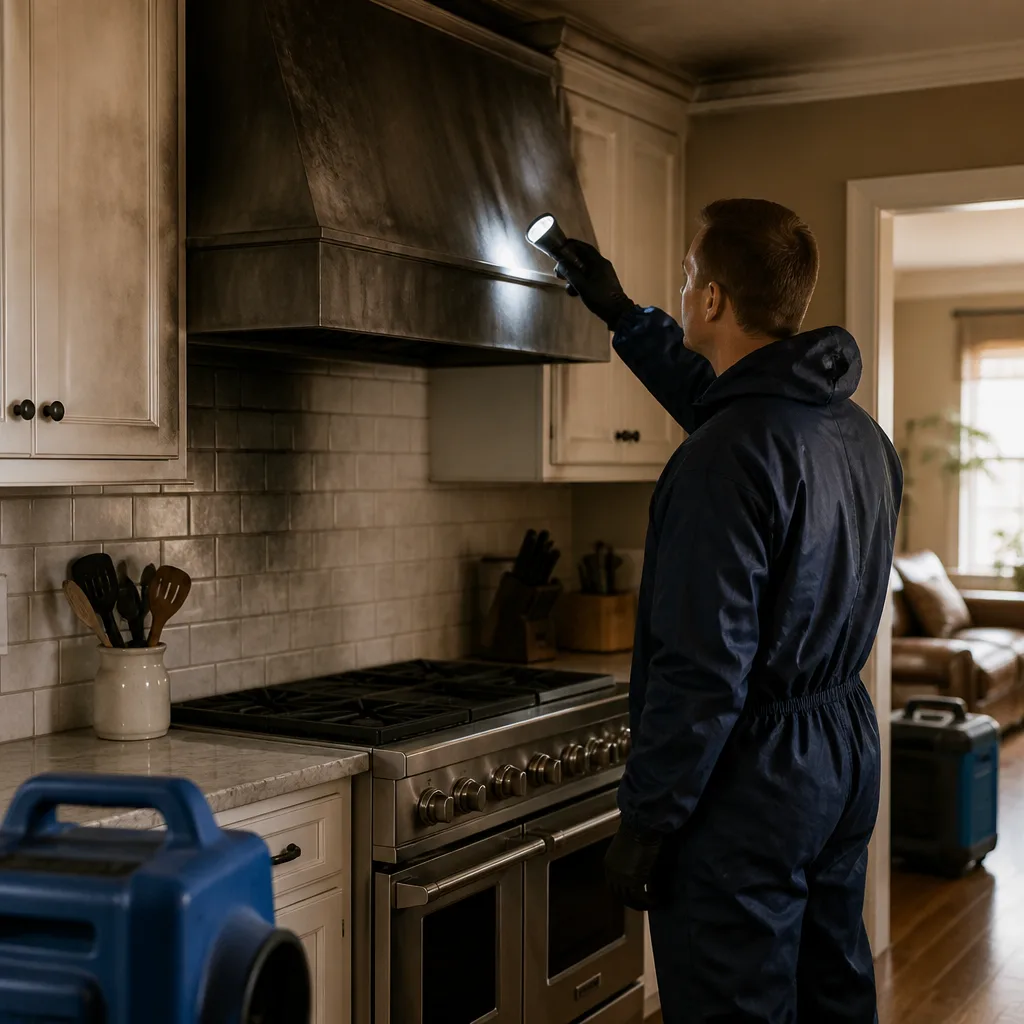
After a fire, belongings can be affected by heat, smoke, soot, and the water used to extinguish the incident. Some items may be candidates for specialist cleaning or restoration; others may be unsafe, beyond recovery, or uneconomical to restore. Deciding what happens to them should be documented rather than reduced to an untracked truckload.
This article focuses on organizing contents recovery after authorities permit access. It is not a guide to entering a damaged building, handling hazardous residue, or declaring an item safe from appearance. The American Red Cross advises staying out of fire-damaged homes until local fire authorities say reentry is safe. That comes before retrieval, photographs, or a sentimental search for a particular object.
Key takeaways
- Get permission for safe reentry before accessing belongings.
- Track items through assessment, packing, storage, cleaning, disposal, and return.
- Keep restoration decisions and insurance coverage decisions separate.
Arrange access before arranging a pack-out
Ask the responsible authority and restoration provider what areas can be entered and under what conditions. Fire-related damage can involve hazards that are not obvious from the doorway. Do not reconnect appliances, retrieve items beneath unstable materials, or enter restricted rooms because a valuable possession is visible. Ask qualified professionals about safe retrieval instead.
Even after access is permitted, household members may need a different plan from trained cleanup personnel. Keep children and pets away from work areas and discuss any personal health concerns with a healthcare professional. The Red Cross emphasizes care for people needing additional assistance after a fire. A contents schedule should support that need rather than pressure the household into doing unsafe work.
Build an item record before belongings move
Ask how the provider inventories items before transport. A useful record identifies the item or container, its original room, observed condition, and destination. Photographs, identifying labels, and a copy of the inventory make it easier to discuss a missing object or a later restoration decision. For electronics and appliances, available model and serial information can also help distinguish similar items.
FEMA's disaster-documentation guidance recommends photos and videos before discarding damaged property and serial numbers for major appliances. Apply that recordkeeping principle when it is safe to do so, and follow your insurer's specific instructions. Keep family photographs, documents, collections, and sentimental items identifiable; they may need a specialist rather than being included in a general household cleaning batch.
- Inventory number and a clear description or photograph.
- Original room and observed condition at collection.
- Destination and current status: evaluation, storage, cleaning, disposal, or return.
- Who authorized a decision and when it was communicated.
Separate candidates for restoration from safety decisions
Do not assume that everything with a smoke odor must be discarded, or that everything without an odor is safe. Ask a qualified provider to explain the relevant exposure, material, condition, and proposed assessment. Heat-damaged electronics, delicate finishes, textiles, artwork, and documents may require different expertise. A general contents contractor may arrange specialist work rather than perform every service itself.
The Red Cross advises discarding food exposed to heat, smoke, or soot. Do not apply a household cleaning method to make exposed food safe. For medicines or health-related equipment, ask the pharmacist, manufacturer, or appropriate professional about replacement or assessment. Keep item-specific safety questions separate from financial estimates and avoid treating a potential insurance payment as evidence that an item is usable.
Understand the cleaning scope before approving it
Ask which items will be evaluated, what cleaning methods are proposed, whether test cleaning is appropriate, and what limitations the provider anticipates. Request an explanation of how the result will be checked and what happens if an item cannot be satisfactorily restored. A written scope should distinguish cleaning, deodorization, repairs, transportation, and storage rather than presenting them as one ambiguous service.
The Red Cross's fire-cleanup guidance recommends testing garments before treatment and following manufacturer directions. Some cleaning products are caustic, and inappropriate treatment can damage finishes or fabrics. This article deliberately does not prescribe chemical mixtures or equipment treatments for soot. Work involving hazardous residue, sensitive materials, or uncertainty is better discussed with a qualified specialist than attempted from a generic recipe.
Make custody and storage charges understandable
Before a pack-out, ask where belongings will be stored, who is responsible for them, how they will be identified, and how access requests are handled. Find out whether the provider can retrieve essential items individually and whether that creates a separate charge. Obtain a written explanation of transportation, packing, storage duration, and return delivery.
Storage can become a practical problem when building repairs take longer than anticipated. Ask when charges begin, how they are calculated, who receives extension notices, and what happens if the household changes providers. Read payment and release terms carefully. A contractor's contract and your insurer's reimbursement rules can differ, so confirm both rather than assuming approval of the initial pack-out covers unlimited storage.
Do not overlook water damage from firefighting
A fire incident may also leave wet rooms and belongings. Discuss drying and moisture assessment alongside smoke-related work rather than treating them as unrelated events. The Red Cross advises professional consultation about drywall and insulation soaked by fire hoses. The condition of building materials can affect when contents are returned and whether repaired spaces are ready to receive them.
EPA emphasizes drying water-damaged areas and items promptly to help prevent mold growth. That guidance does not mean every wet possession is recoverable or every assembly can be closed after a fixed time. Ask which materials were assessed, whether anything remains wet or contaminated, and who signs off on the transition from cleanup to reconstruction and contents return.
Review returned items and close the inventory
When items return, compare them with the collection record and identify anything still in storage, disposed of, awaiting specialist work, or not returned. Discuss visible condition, documented cleaning results, incomplete repairs, and any concerns promptly. Keep communications specific to the item and observation instead of making a broad assumption that the entire batch succeeded or failed.
Save the inventory, approved restoration and disposal decisions, invoices, photographs, and any warranty or limitation statements. A restored appearance does not certify every item for every use; electrical, food-contact, medical, or other specialized concerns may need separate assessment. If something was not recoverable, ask for the written reason and retain that record for the insurer. Closing a contents project means knowing what happened to each item—not merely receiving a delivery.
Frequently asked questions
- Is a pack-out the same as an insurance claim inventory?
- Not necessarily. A provider's custody record and the insurer's claim form serve different purposes. Keep both and make sure descriptions and disposition records can be matched.
- Can exposed food be saved if its container looks intact?
- The Red Cross advises discarding food exposed to heat, smoke, or soot. Do not rely on appearance or a cleaning treatment to establish food safety.
- Will a contents company restore electronics and artwork itself?
- Do not assume so. Ask whether specialist assessment is needed, who performs it, what it costs, and how the decision and outcome will be documented.
Sources and further reading
- American Red Cross: Recovering After a Fire
- American Red Cross: Cleaning Up After a Fire
- FEMA: How to Document Damages After Severe Weather Events
- FTC: How to Avoid Scams After Weather Emergencies and Natural Disasters
- CDC: Guidelines for Cleaning Safely After a Disaster
- EPA: A Brief Guide to Mold, Moisture and Your Home
Independent educational articles based on linked public guidance. Not a property inspection, medical advice, or an insurance coverage determination. Confirm conditions with qualified professionals and your insurer. Illustrative images do not depict listed providers or customer projects.
Take the next step
Confirm services, current coverage, credentials, and availability directly with the company.
Compare fire and smoke restoration companies