Home recovery
After Mold Remediation: What to Check Before the Room Goes Back Into Use
Review moisture correction, removed materials, cleanup records, remaining odors, and follow-up plans before closing a mold remediation project.
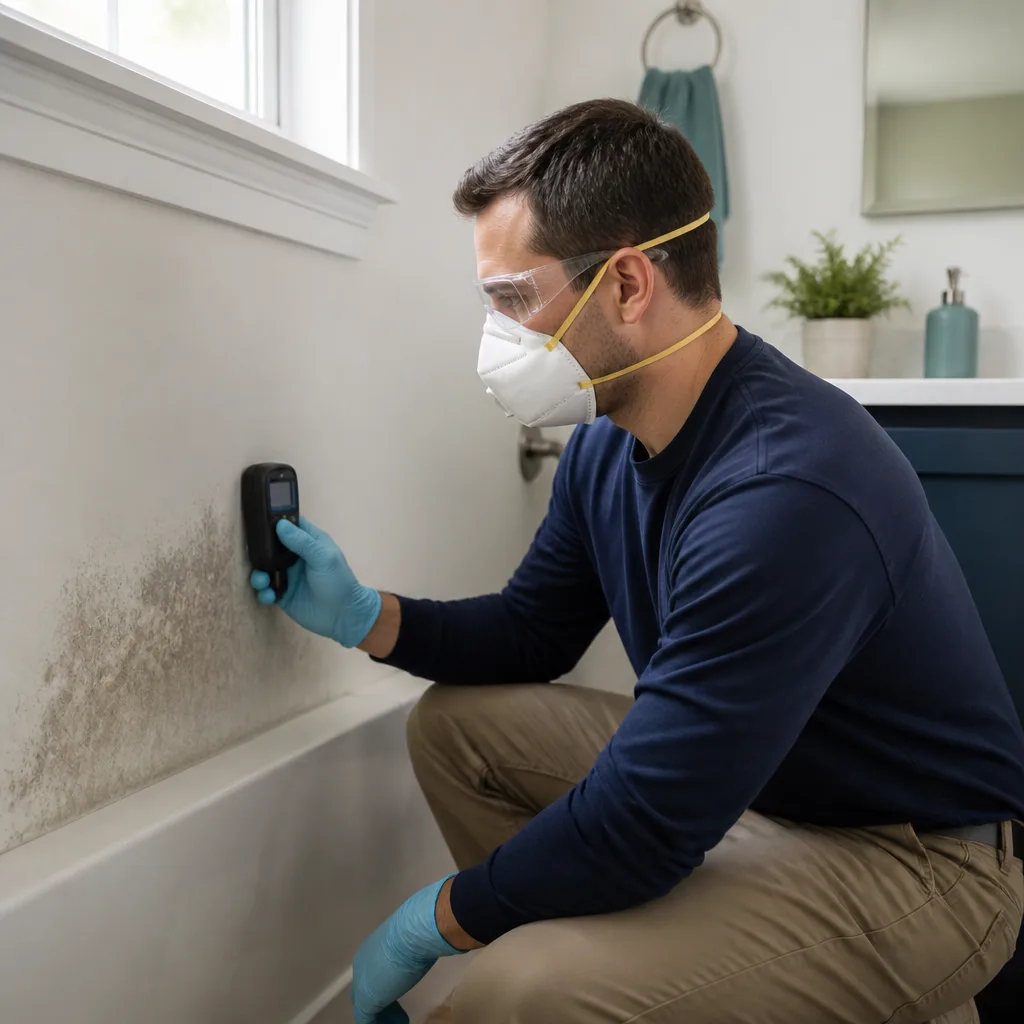
When remediation equipment leaves, it is reasonable to ask what was accomplished and what still needs attention. A clean-looking wall is not a complete explanation. A useful handoff addresses the moisture source, the affected materials, the cleaning or removal performed, and the conditions that remain before repair or normal use.
This is a homeowner's conversation checklist, not a clearance standard or a medical assessment. EPA explains that deciding whether cleanup is finished involves judgment, and there is no single easy answer. Your building's conditions, the agreed project scope, and any applicable local requirements matter. Individual health concerns belong with a qualified healthcare professional.
Key takeaways
- Fixing the water or moisture problem is essential to finishing the job.
- Ask what was removed, cleaned, dried, and left for further assessment.
- A test result or absence of odor should not replace a complete project review.
Start with the reason moisture was present
EPA states that cleanup is not complete unless the water or moisture problem has been fixed. Ask what caused the wet conditions and who corrected them. A roof repair, plumbing repair, drainage improvement, or correction of a persistent humidity problem may be outside the remediation contractor's scope. That does not make it optional; it means the handoff needs to identify a separate responsibility.
Request the repair record or an explanation of an unresolved source. If the problem is still being evaluated, distinguish a temporary protective measure from a completed repair. A project can remove damaged materials while a separate source problem remains. Do not let a finished cleanup invoice become evidence that every building issue has been resolved when the work did not include that issue.
Compare completed work with the written scope
Read the original scope and each approved change alongside the completion summary. Which rooms and surfaces were addressed? Which porous materials were removed? Which items were cleaned or sent elsewhere? Which spaces could not be inspected? These questions are especially important when remediation and reconstruction are performed by different businesses.
A scope that addresses one wall does not automatically evaluate the entire property. Ask about the limits of the assessment and the reasons behind removal or preservation decisions. EPA notes that moldy porous materials can be difficult or impossible to clean completely and may need disposal. A provider should explain how its decisions fit the actual material and conditions rather than relying on a general promise to eliminate every mold spore.
Discuss visible conditions and remaining odors
EPA's completion guidance says visible mold and moldy odors should not be present, while noting that mold can cause staining and cosmetic damage. That distinction matters: discoloration may remain after a problem is addressed, but a new or persistent condition deserves an explanation. Do not treat every mark as active growth or every absence of a mark as proof of a finished job.
Ask the provider to walk through the area with you if it is safe to do so. Discuss any remaining debris, dust, staining, odor, dampness, or unexplained finish damage before repairs cover the surfaces. If concerns remain, document the specific location and ask what additional assessment is appropriate. Avoid removing containment, opening cavities, or disturbing suspect materials on your own just to confirm a concern.
Ask how remaining moisture was evaluated
Cleaning and drying are related but different parts of recovery. Ask which materials were assessed and how the provider determined that remaining moisture would not undermine the next phase of work. Readings should have context: the location, material, equipment, date, and interpretation. There is no universal number this article can give for every instrument and building product.
EPA's flooded-home guidance emphasizes removal of materials that cannot be cleaned and dried, drying the home, and cleaning remaining surfaces before reoccupation. If flooding affected HVAC components, ask whether qualified specialists evaluated those components before the system is used. A comfortable room temperature does not establish that hidden layers or contaminated equipment are ready.
Understand what testing can—and cannot—answer
EPA does not usually recommend mold sampling as the default way to judge a flooded home's cleanup. Its guidance favors a careful inspection of the home, including the HVAC system, and checking that the area is dry and free of visible contamination, dust, and musty odors. A sample represents conditions associated with a particular method, place, and time; it does not replace source correction or inspection.
Some projects involve an independent assessor, a written remediation protocol, insurer conditions, or jurisdiction-specific requirements. If testing is part of your project, ask who defined the criteria, who performs the assessment, and what the result actually means. Do not assume every project requires testing or that a single result provides a lifelong guarantee. When a provider advertises a certification or clearance, ask for the actual document and its scope.
Plan repairs and return to use deliberately
Before insulation, wallboard, cabinetry, or flooring is installed, confirm who accepts the handoff from remediation to repair. Ask whether any unresolved source or material condition must be addressed first. EPA warns against painting or caulking moldy surfaces; covering a problem is not remediation. New finishes should not prevent the agreed completion assessment from taking place.
For people with asthma, immune-system concerns, or symptoms associated with the space, seek individualized medical guidance. EPA advises people with breathing problems or weakened immune systems to stay away from moldy cleanup sites. Neither this article nor a directory badge can determine whether a particular person can safely occupy a room. Local authorities and appropriate professionals may have additional requirements following a larger disaster.
Keep a follow-up record after the handoff
Save photographs, source-repair records, the remediation scope, approved changes, completion findings, and any warranty terms. EPA recommends revisiting affected sites shortly after cleanup to confirm there are no signs of water damage or mold growth. Agree on how to report a recurrence and whether a follow-up visit is included, rather than assuming a general warranty covers every new moisture event.
Continue appropriate moisture control. EPA recommends keeping indoor humidity below 60 percent and, ideally, between 30 and 50 percent. Those figures are general prevention guidance, not a diagnosis of a particular wall or a substitute for addressing leaks. Watch for new condensation, staining, or recurring odors and investigate the source. If a condition returns, describe when and where it appeared and share the earlier records with the professional evaluating it.
- Source corrected and responsibility documented.
- Completed scope, exclusions, and remaining tasks understood.
- Moisture and visible-condition findings explained.
- Repair handoff and any assessment requirements confirmed.
- Follow-up contact and recurrence reporting process saved.
Frequently asked questions
- Should a contractor promise that a home contains zero mold spores?
- No. EPA explains that eliminating all mold and mold spores indoors is impossible. The goal is to address indoor growth and the moisture conditions that allow it.
- Does every remediation project need an air test?
- Not necessarily. EPA generally favors inspection for flooded-home cleanup, but an applicable protocol, insurer condition, or local rule may require a particular assessment. Ask what governs your project.
- Can I paint over the affected area once it looks better?
- Do not cover unresolved mold or moisture. EPA advises cleaning and drying surfaces before painting. Confirm completion and the repair handoff first.
Sources and further reading
Independent educational articles based on linked public guidance. Not a property inspection, medical advice, or an insurance coverage determination. Confirm conditions with qualified professionals and your insurer. Illustrative images do not depict listed providers or customer projects.
Take the next step
Confirm services, current coverage, credentials, and availability directly with the company.
Compare mold remediation providers