Water & moisture
Frozen Pipes: Build a Prevention Plan Before the Next Cold Snap
Plan for cold-weather plumbing risks, learn the warning signs of frozen pipes, and separate plumbing repairs from water-damage recovery after a leak.
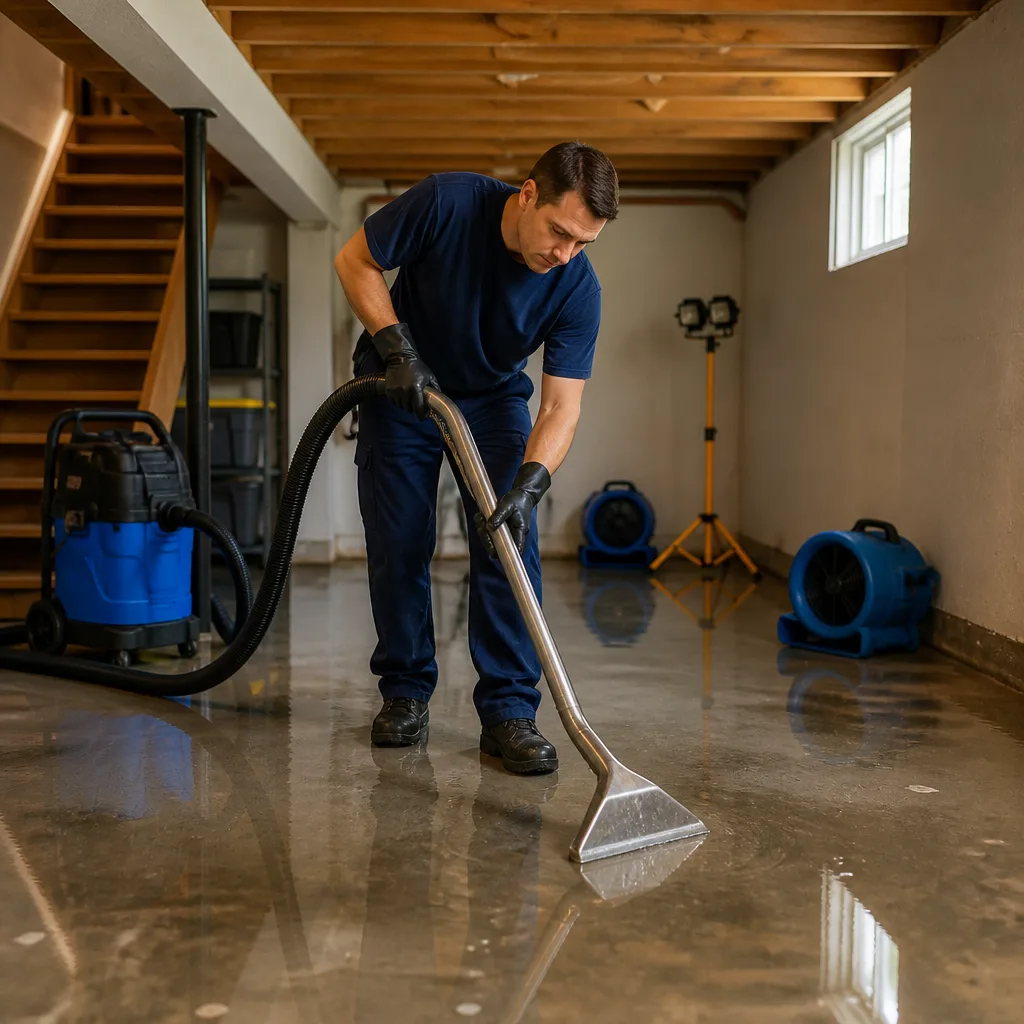
A frozen-pipe plan is most useful before a forecast becomes an emergency. It combines knowledge of vulnerable plumbing, safe heating practices, access to the water shutoff, and a clear response if a pipe leaks. A pipe problem and the resulting building damage are separate jobs: a plumber addresses the plumbing; a restoration provider assesses affected building materials and contents.
These planning steps apply to occupied homes as well as properties left empty during winter. They do not replace a plumber's evaluation, local utility instructions, lease requirements, or your insurance policy. If water is already entering a room, prioritize people, electrical safety, and stopping the source safely rather than finishing a prevention checklist.
Key takeaways
- Map plumbing in unheated areas and exterior walls before severe cold arrives.
- Do not use open flames to thaw pipes or electrical devices near standing water.
- After a leak, arrange both source repair and assessment of affected materials.
Find the plumbing most exposed to freezing
The American Red Cross identifies outdoor hose bibs, supply lines in unheated spaces, and pipes against poorly insulated exterior walls as common freeze risks. Walk through accessible areas before winter and list the locations that apply to your home. A kitchen cabinet on an exterior wall has different conditions from a pipe in a heated interior closet.
Include basements, garages, attics, crawl spaces, and any additions whose heating differs from the original building. Do not enter hazardous or difficult spaces just to complete the list. Ask a plumber to evaluate inaccessible plumbing and prior freeze locations. In a rental or condominium, establish who can inspect shared systems and who must authorize changes; guessing about a shared shutoff can create problems for other residents.
Make changes before the forecast deteriorates
Disconnect and drain outdoor hoses and follow the appropriate procedure for outside faucets and supply lines. Have vulnerable plumbing, insulation gaps, and unheated spaces evaluated. Pipe insulation and listed heating products must be suitable for the installation and used according to their instructions; improvised wiring or wrapping a damaged product is not an acceptable substitute.
The Red Cross recommends keeping garage doors closed where water lines are present and opening kitchen or bathroom cabinet doors to let warmer air reach plumbing. Move cleaning products out of children's reach when doing so. During very cold weather, its guidance includes allowing a trickle from the faucet served by exposed piping. Ask your plumber or water utility how that advice fits your system and local conditions.
Prepare for absence, power loss, and access problems
If leaving during cold weather, the Red Cross recommends leaving the heat on and setting it no lower than 55°F. That is a general recommendation, not a guarantee for every home. Poor insulation, unusual plumbing routes, or a heating failure can still create risk. Check your lease and policy for maintenance and vacancy-related responsibilities rather than assuming a thermostat setting satisfies every requirement.
Arrange for someone you trust to notice a heating interruption, contact you, and reach the property lawfully. Make sure they know where the water shutoff is and how to contact the appropriate professionals. Remote temperature or leak alerts can add information, but an alert is useful only if someone can respond. Document the plan in one place instead of relying on a collection of forgotten text messages.
- Save the water utility, property manager, and plumber's contact details.
- Identify a reachable shutoff without entering a hazardous area.
- Arrange a response to loss of heat rather than depending on alerts alone.
- Follow local evacuation instructions if severe weather makes staying unsafe.
What to do when a faucet delivers only a trickle
A reduced flow during freezing weather can indicate frozen plumbing, but other causes are possible. Check with your utility or plumber if the situation is unclear. The Red Cross says to call a licensed plumber when the frozen area cannot be located, cannot be accessed, or cannot be thawed. A concealed pipe inside a wall is not an invitation to make an exploratory opening.
Never use a blowtorch or another open-flame device. The Red Cross describes gentle warming methods for accessible pipes, but electrical devices introduce their own risks: do not use them around leaking water, wet outlets, damaged wiring, or standing water. If you are uncertain about conditions, stop and obtain professional help. Keep watching for a leak as flow returns; the absence of running water does not prove the pipe is intact.
If a pipe begins leaking, change from prevention to response
Keep people and pets away from the affected area. Shut off the appropriate water supply only if the valve is accessible and the action is safe. Do not wade through water to reach a breaker or valve. CDC advises calling an electrician when reaching the main electrical switch requires entering standing water. Bulging ceilings, energized equipment, and unstable materials require qualified assessment.
Notify the property owner or manager if applicable, contact your insurer, and record the location and timing from a safe position. A plumber can stop or repair the plumbing problem; that does not establish that the floors, wall cavities, insulation, and room below are dry. Describe every affected space to the restoration provider, including any water that traveled beyond the original room.
Close the incident with a recovery and prevention record
Ask for the plumbing diagnosis and repair receipt, along with the restoration scope and completion documentation. Keep emergency purchases, photographs, and communications together. EPA emphasizes prompt drying to help prevent mold growth, but repair completion should be based on assessed conditions rather than an assumed number of days.
Then revisit the reason the freeze happened. Did cold air reach a pipe through an opening, did heating stop, or was plumbing located in an unheated area? Replacing one damaged section without addressing the exposure may leave the original vulnerability. Have proposed insulation, relocation, or heating-system changes reviewed by the appropriate professionals. Prevention is a practical follow-up to recovery, not evidence that every future freeze can be avoided.
Frequently asked questions
- Does every frozen pipe burst?
- No, but freezing can place substantial pressure on plumbing and cause a break. Reduced flow deserves attention, and a leak may become apparent as the pipe thaws.
- Is 55°F a guarantee against frozen pipes?
- No. The Red Cross recommends at least that setting when away, but actual protection depends on the building, exposed plumbing, weather, and whether the heating system operates.
- Will a plumber also dry the damaged building?
- Do not assume so. Confirm what the plumbing contract includes and separately arrange assessment, cleanup, and drying of affected materials when needed.
Sources and further reading
- American Red Cross: Preventing and Thawing Frozen Pipes
- CDC: Guidelines for Cleaning Safely After a Disaster
- FEMA: How to Document Damages After Severe Weather Events
- EPA: A Brief Guide to Mold, Moisture and Your Home
Independent educational articles based on linked public guidance. Not a property inspection, medical advice, or an insurance coverage determination. Confirm conditions with qualified professionals and your insurer. Illustrative images do not depict listed providers or customer projects.
Take the next step
Confirm services, current coverage, credentials, and availability directly with the company.
Find water damage recovery companies