Understand the damage before deciding what to repair
A stain, odor or warped floor is a starting observation—not a complete diagnosis. A useful property damage assessment identifies how the loss happened, where it traveled and which materials or building systems may be affected. That information connects emergency mitigation to an evidence-based repair or replacement scope.
Editorial review
Educational information, not an inspection, engineering opinion, insurance determination or repair specification. Follow local emergency instructions. Qualified professionals must assess unsafe structures, electrical systems, contamination and hazardous materials before work begins. Water Damage Dispatch is an independent directory, not the contractor performing the work.
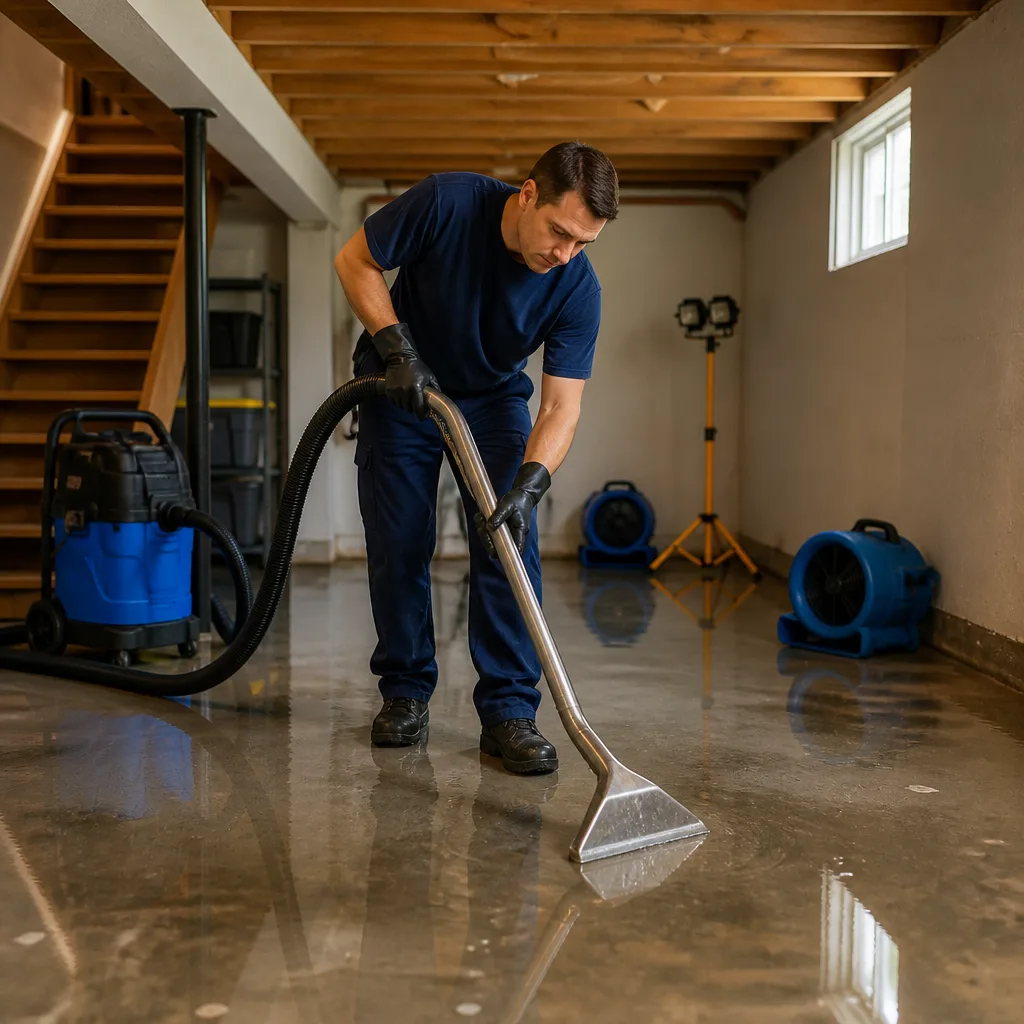
Start with safe access, not a walk-through
Floodwater can conceal energized equipment, openings and unstable flooring. Fire damage can leave weakened framing, damaged wiring and hazardous residues even when the flames are out. Do not enter an unsafe property just to obtain photographs. Wait for the appropriate authorities and qualified professionals to determine whether entry is permitted.
Tell the restoration company what is known before the visit: the suspected water source, whether utilities are isolated, which rooms appear affected and whether anyone has restricted access. Describe observations rather than assuming that a room is safe because it looks dry.
- Record when the damage was first noticed and when the source was controlled.
- Identify areas that cannot be accessed safely.
- Keep emergency-service and utility instructions with the loss file.
Separate the cause from the extent of damage
A roof opening, a plumbing failure and exterior floodwater can all leave wet drywall, but the entry route, contamination concerns and repair responsibilities can differ. Trace the observed pathway without turning a guess into a definitive cause. Photograph exterior openings and high-water marks separately from interior staining when doing so is safe.
Ask the assessor to distinguish visible damage from areas that need further investigation. Moisture readings, accessible cavity observations and material condition can help establish a scope; a photograph alone cannot show every concealed condition. An assessment should explain its limitations, including blocked rooms, inaccessible assemblies or systems requiring another trade.
Water, smoke and storm assessments answer different questions
For a water loss, ask about the source, affected materials, possible contamination and how moisture will be monitored. Persistent dampness in insulation, cabinets, subfloors or wall cavities can be missed if the inspection stops at the surface. An odor is a reason to investigate, not proof of a particular mold species.
For fire and smoke, separate heat damage, residue deposition, firefighting water and possible effects on ventilation or electrical systems. For wind and impact damage, identify openings and displaced materials without climbing onto an unsafe roof. A restoration contractor may need to coordinate with an electrician, roofer, engineer or other appropriately qualified specialist.
Create a room-by-room record that can be updated
Use a simple log with the room, material, observed condition, photograph reference and date. Keep photographs before removal, during accessible inspection and after authorized work. Store estimates, equipment records, invoices and communication together so changes to the scope can be understood later.
Separate observations from conclusions. “Water visible beneath the kitchen cabinet on Tuesday” is a factual note; “the entire floor must be replaced” requires supporting assessment. Notify the insurer as required by the policy, retain receipts for reasonable emergency measures and ask what documentation is needed before disposal. Do not delay necessary safety work solely to wait for photographs.
What to request from the company
Ask for a written explanation of the affected rooms, materials and recommended next steps. The document should separate emergency mitigation, specialist inspection and proposed reconstruction. If additional damage may become visible during authorized opening, ask how it will be photographed, priced and approved.
Confirm who is conducting the assessment and whether their qualifications fit the task. A moisture assessment is not automatically a structural engineering report, a laboratory result or an insurance coverage decision. Avoid promises that a contractor can guarantee claim approval or determine every hidden condition from a brief visit.
Common questions
Does a dry-looking surface mean the assembly is dry?
Not necessarily. Accessible measurements and an appropriate inspection may be needed to evaluate materials beneath a finish or inside an assembly. Ask what was checked and what could not be accessed.
Is a restoration estimate an insurance coverage decision?
No. A contractor can document observed conditions and propose work. Coverage depends on the policy and the insurer's evaluation; a repair estimate does not guarantee payment.
Can I compare assessment findings between companies?
Yes. Compare the inspected areas, observations, measurement records, exclusions and proposed scope, not only the total price. Ask each company to explain differences before authorizing work.