Plan repairs that address the damage and its cause
Property damage repair is more than covering a stain or replacing a finish. The work should follow safe assessment, control of the source and appropriate mitigation. A clear repair plan connects those steps to the affected building materials, required trades and conditions that must be met before the property is closed up again.
Editorial review
Educational information, not an inspection, engineering opinion, insurance determination or repair specification. Follow local emergency instructions. Qualified professionals must assess unsafe structures, electrical systems, contamination and hazardous materials before work begins. Water Damage Dispatch is an independent directory, not the contractor performing the work.
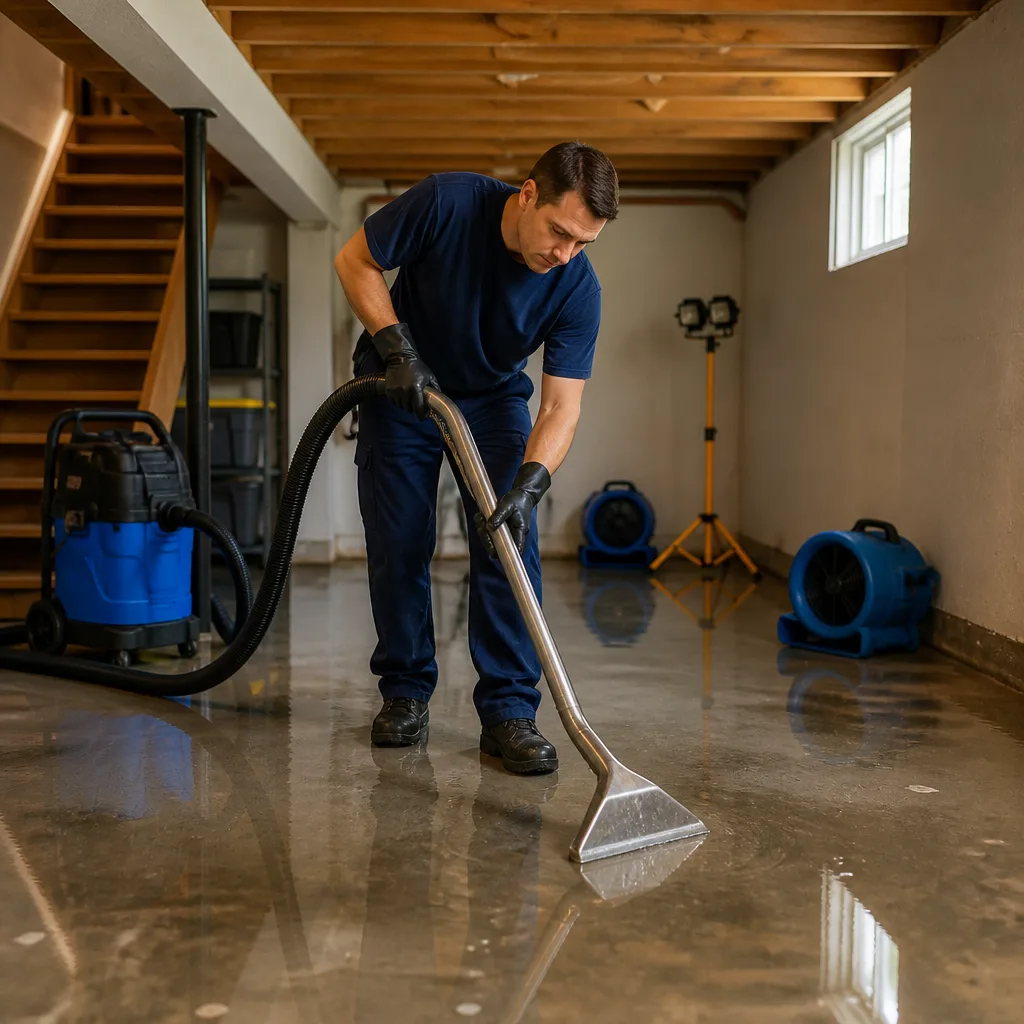
Emergency mitigation and permanent repair are different jobs
Water extraction, temporary weather protection, debris containment and controlled drying may limit additional loss. These measures do not, by themselves, repair a broken supply line, damaged roof or structural defect. Ask which work is temporary and who is responsible for correcting the underlying problem.
A reconstruction proposal should identify what will be rebuilt after mitigation and what must happen first. If one company handles both stages, request a clear separation of tasks and charges. If different contractors are involved, establish who transfers drying records, photographs, approvals and measurements between the teams.
Build the scope around rooms, assemblies and trades
A useful estimate names affected rooms and the materials to be repaired: for example, a defined wall assembly rather than an unexplained allowance for “water damage.” Ask about preparation, removal, disposal, insulation, finishes and the transitions to undamaged areas. Photos and measurements should support quantities.
Plumbing, electrical, roofing and structural work may require separate qualifications, permits or inspections depending on the jurisdiction and task. The restoration company's presence in a directory is not proof of a license for every trade. Check the appropriate licensing authority and local building department rather than relying on a badge or verbal statement.
Resolve moisture before rebuilding wet assemblies
A room can look improved while moisture remains in framing, a subfloor or a concealed cavity. Ask how the company determines that materials are ready for the next phase and whether it will provide the relevant readings and drying observations. A promised number of drying days is not a substitute for evaluating actual conditions.
After a roof leak, the roof repair and the interior drying work need to agree on where water entered and what it reached. After exterior flooding or sewage exposure, contamination and material suitability also affect the work. Do not treat all water losses as interchangeable or assume cosmetic repair is sufficient.
Coordinate smoke, impact and weather-opening repairs
Fire and smoke recovery may involve surface cleaning, odor investigation, water removal and specialist review before finishes are restored. Painting over residue without an appropriate cleaning and preparation scope can leave unresolved conditions. Ask which materials can be cleaned and which require a separate replacement decision.
Storm repair may span exterior weather protection, roof or window work and interior reconstruction. Confirm that the scope addresses the opening that allowed water inside, not only the damaged ceiling. Unsafe roof access, damaged electrical equipment and potentially unstable components belong with qualified professionals.
Compare contracts and define completion
Compare written scopes before comparing totals. A low price may omit disposal, permits, finish preparation or work assigned to another contractor. Request payment terms, exclusions, start conditions and a written change-order process. Check the contracting business name, insurance and relevant license information independently.
At handover, walk through the authorized scope with the contractor, note unresolved items and collect applicable inspections, warranties and care instructions. Keep mitigation records separate from finish-work documentation so a future leak or maintenance issue can be investigated using the original evidence.
- Confirm that the source of damage has been addressed.
- Ask for the documented conditions required before walls or floors are closed.
- Require approval of scope changes before additional work, except clearly agreed emergency procedures.
- Retain the final scope, receipts and applicable inspection records.
Common questions
Is mitigation the same as reconstruction?
No. Mitigation addresses immediate damage and conditions such as water or debris. Reconstruction restores affected building assemblies and finishes. The contracts should make each responsibility clear.
Can a wet ceiling simply be patched and painted?
That depends on the cause, material condition, moisture and any safety concerns. Correct the source and obtain an appropriate assessment before deciding that a cosmetic patch is enough.
How do I choose a local repair company?
Compare documented services, contracting identity, relevant qualifications, insurance and written scope. Confirm that the company serves the exact property address and can coordinate the trades your project requires.