Nashville, Tennessee
Nashville: Cumberland flooding and recovery across a storm-damaged building
Review Nashville's Cumberland River flood history and multi-hazard preparedness, with guidance on clear restoration scopes and safe, staged repairs.
Published · Reviewed · Water Damage Dispatch
Educational guidance, not a current warning, parcel-level hazard assessment, emergency service, insurance coverage decision or guarantee of contractor availability. Follow local authorities and call 911 for immediate danger.
Property loss in Nashville
Nashville's May 2010 flood is documented in the city's public-library collection, while current emergency resources address a wider range of hazards. A property guide should use that history carefully without turning it into a forecast or a claim about every address.
The Cumberland flood record documents a community-wide interruption
Nashville Public Library's 2010 collection records heavy rain, Cumberland River flooding and the effects on residents, homes and businesses. It is a historical archive, not a live risk map. For an individual owner, the useful next step is to pair appropriate official flood information with observations from the actual building rather than transfer a photograph or water level from another location.
Storm readiness includes wind as well as floodwater
Nashville's emergency-management guidance identifies tornadoes, hail, high winds, flooding and winter conditions among local threats. In a real loss, a damaged exterior opening and water-affected interior may require coordinated but separate work. Qualified specialists address structural or service hazards first; restoration assessment can then define the materials and contents involved without treating the entire event as one cleaning task.
Sources: During the Disaster | Nashville.gov
Useful documentation supports households and workplaces
An affected property may contain recoverable contents alongside layers that need cleaning, drying or selective removal. Recording those decisions helps occupants understand why repair sequencing differs between rooms. Restoration businesses are most useful when they explain those conditions and their own limits, rather than promise that a historical flood designation determines coverage, clearance or a universal completion date.
Sources: Guidelines for Cleaning Safely After a Disaster | Natural Disasters | CDC · Resources for Flood Cleanup and Indoor Air Quality | US EPA
Explain the different repair paths within one building
A Nashville restoration scope should explain the actual water contact and any separate impact or opening damage. The historical Cumberland flood cannot decide the condition of a current building. Ask how the provider will evaluate concealed layers, contents and contamination rather than rely on a broad storm category.
Appropriate access and service assessment come before ordinary interior work. Once permitted, cleaning and moisture documentation can guide the sequence toward repairs. The contract should identify what remains for other qualified trades and explain why one room's progress may differ from another. That provides practical information for households and employers without promising a standard completion date drawn from another property's experience.
Sources: Guidelines for Cleaning Safely After a Disaster | Natural Disasters | CDC · Resources for Flood Cleanup and Indoor Air Quality | US EPA
If damage happens
Check current Nashville conditions
Use today's emergency and access information, not archival images or descriptions of the 2010 flood.
Separate safety and cleanup roles
Arrange appropriate assessment of damaged structure or services before interior workers depend on them.
Review room-by-room dependencies
Ask what evidence supports material decisions and which other repairs still prevent the affected space from returning to use.
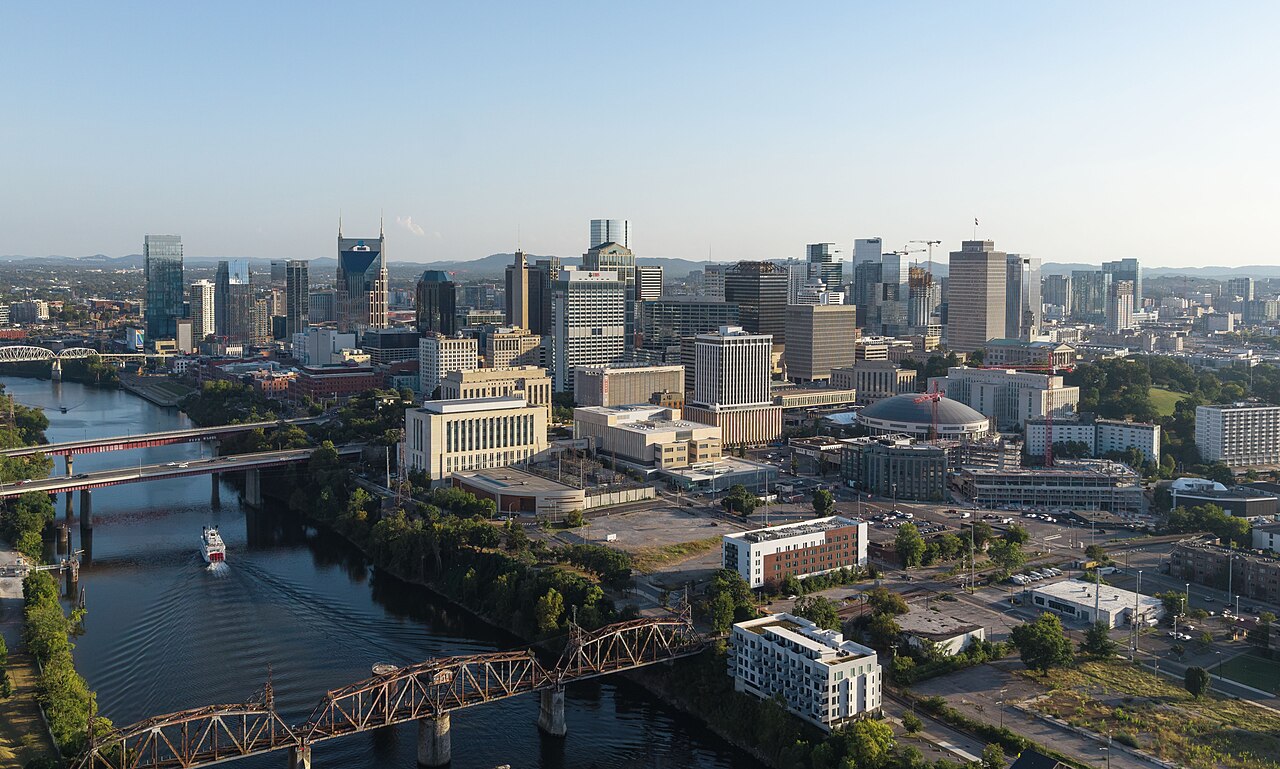
Locate Nashville
City-center location map only—not a flood-risk map, hazard boundary, live warning or address-specific assessment.
Official sources and review notes
Local sources establish geographic and hazard context. CDC and EPA resources provide general recovery guidance. Historical notices and draft plans are identified in the text; they are not current warnings or funding approvals.
- Flood 2010 Collection | Nashville Public Library — library.nashville.gov. Checked 2026-10-18.
- During the Disaster | Nashville.gov — nashville.gov. Checked 2026-10-18.
- Emergency Preparedness - Before the Disaster | Nashville.gov — nashville.gov. Checked 2026-10-18.
- Guidelines for Cleaning Safely After a Disaster | Natural Disasters | CDC — Centers for Disease Control and Prevention. Checked 2026-10-18.
- Resources for Flood Cleanup and Indoor Air Quality | US EPA — U.S. Environmental Protection Agency. Checked 2026-10-18.
Nashville recovery questions
Does being near the Cumberland prescribe one drying method?
No. The actual source, contamination, construction and moisture condition govern the assessment. Location supplies context, not a complete work scope.
Why might two rooms need different restoration stages?
They may contain different materials or services and have different contact with water. The provider should explain those conditions rather than apply one deadline or removal rule throughout.
Compare listings, then confirm the fit
Browse listed companies in Tennessee. A state listing is not proof of service at your address, an emergency dispatch promise or a coverage decision. Confirm location, services and availability directly.
Browse Tennessee restoration companies · Regional property-damage guide