Why hire a restoration and mitigation company?
When property damage affects more than a small, clean spill, a qualified restoration professional can assess affected materials, plan mitigation, and explain the work needed to recover the space.
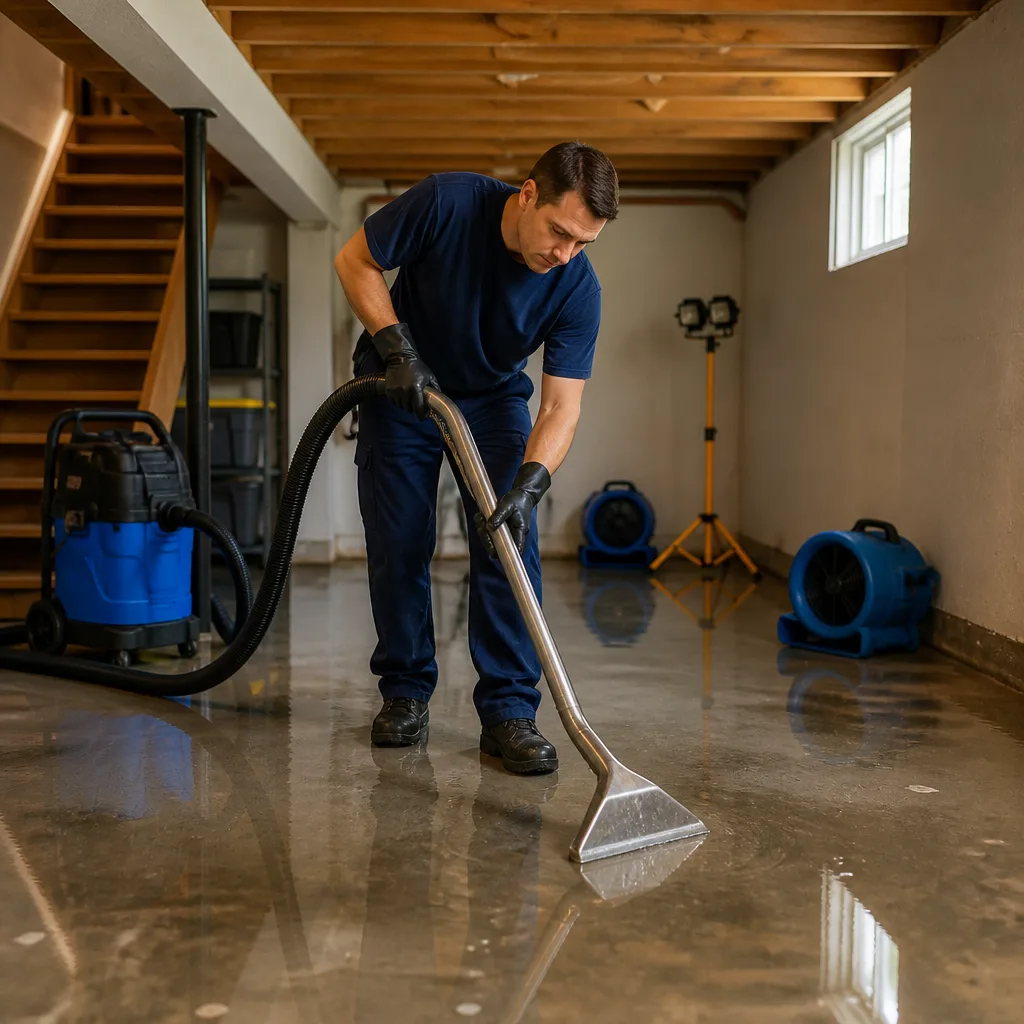
8 reasons to consider professional restoration
The scope depends on the cause and extent of the damage. Ask for an assessment and a written scope before work proceeds.
Find moisture beyond the visible damage
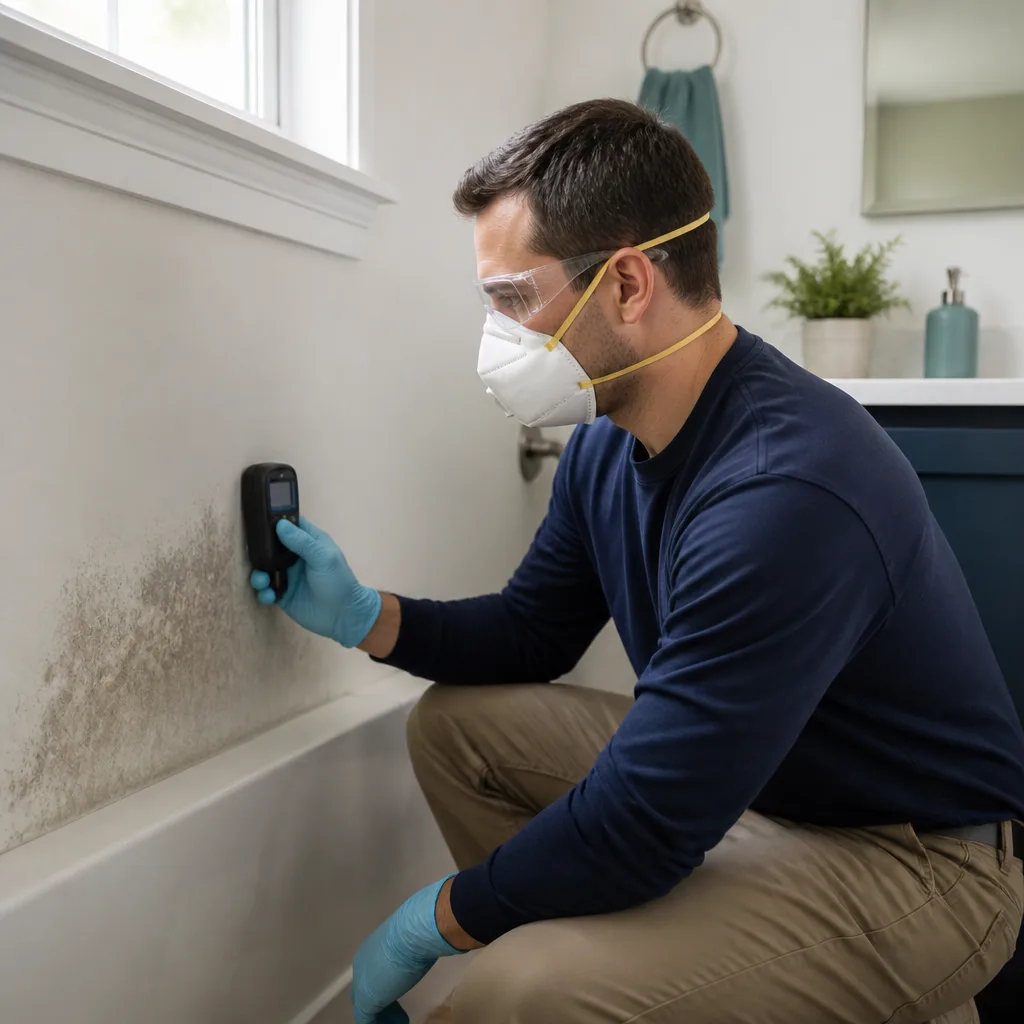
Water can move behind baseboards, beneath flooring, or into wall cavities. Moisture meters and other inspection tools can help a technician assess affected materials and decide what should be monitored or dried.
Plan water removal and structural drying
Restoration teams may use extraction equipment, air movers, and dehumidifiers, then track conditions over time. The equipment and drying plan should fit the building materials and the extent of the loss.
Reduce the chance of damage spreading
Prompt mitigation may limit additional deterioration to finishes and belongings. A professional can help prioritize work, but no company can guarantee that all secondary damage will be prevented.
Address contaminated water with care
Sewage, floodwater, and other contaminated water can pose health risks. A qualified provider can explain safe access, protective measures, and whether affected materials need specialized cleanup or removal.
Clean up fire, smoke, and residue
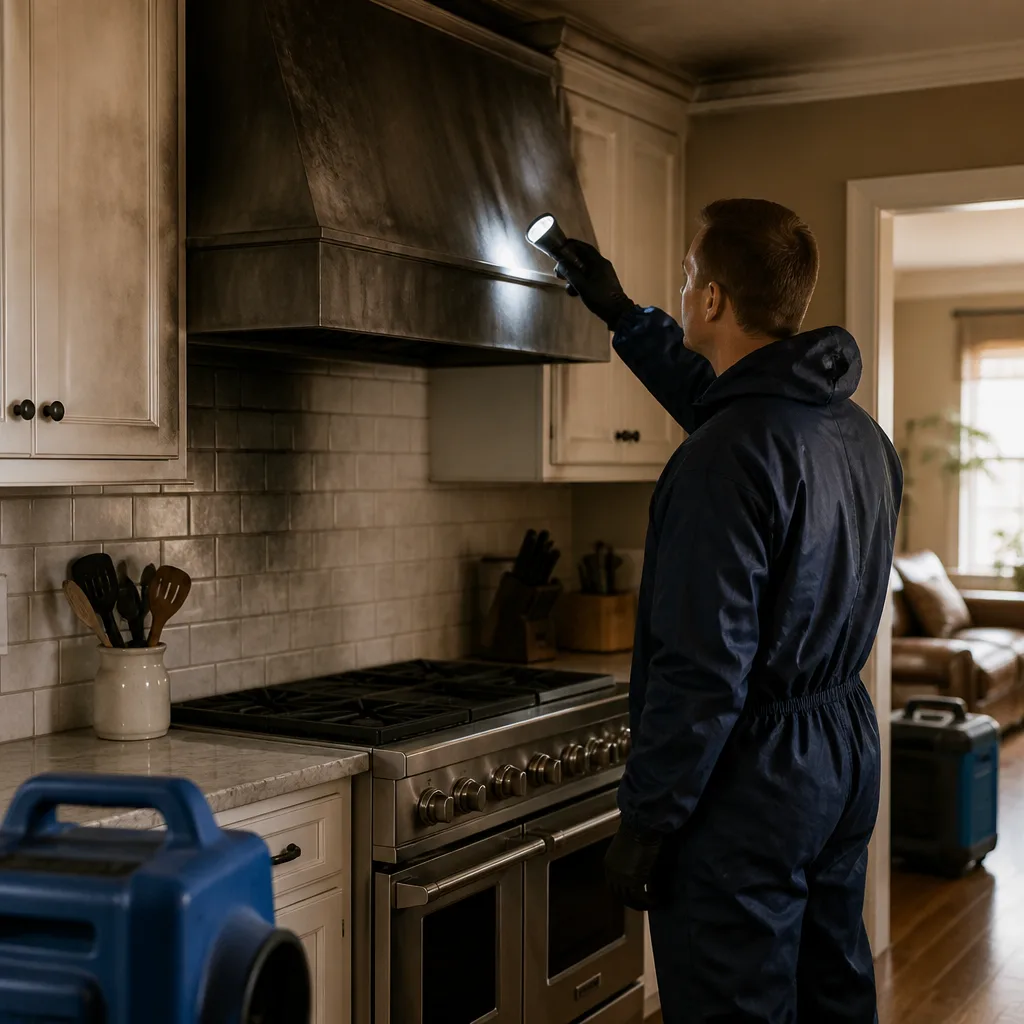
After a fire, residue and odor can affect rooms beyond the area where flames were visible. Restoration professionals can assess surfaces and contents and describe appropriate cleaning or repair options.
Assess mold concerns and moisture sources
Visible growth or persistent dampness can call for a careful assessment. A remediation professional can explain containment and cleanup steps and help identify moisture that needs to be addressed.
Coordinate mitigation with repairs
Some providers offer both emergency mitigation and reconstruction; others focus on one stage. A clear written scope helps you understand which work is included and when a separate trade may be needed.
Keep a clearer record of the work
A company may provide photos, moisture readings, estimates, and work records. Keep copies for your own files and ask your insurer what documentation it needs; contractor paperwork does not determine coverage.
When is a restoration company worth calling?
Consider professional help when damage may be hidden, affects porous materials, involves possible contamination, or cannot be addressed safely. Do not enter standing water if electrical hazards may be present. Contact emergency services or utility professionals for immediate hazards.
Water, fire, mold, and storm restoration
Illustrative restoration service images. They do not depict specific directory companies or completed customer projects.

What to ask before hiring
- What work is included in the written scope and estimate?
- Who will perform the work, and which local licensing or certifications apply?
- How will equipment use and progress be explained and documented?
- What are the costs, payment terms, and records you will receive?
Restoration company FAQs
- When should I call a restoration company?
- Consider calling when water has affected multiple rooms, flooring, walls, or insulation; when the source is sewage or floodwater; after a fire or significant smoke exposure; when the damage may be hidden; or when the area cannot be dried safely. Stay out of areas with possible electrical, structural, or other immediate hazards.
- Do I need a restoration professional for every water spill?
- Not always. A small amount of clean water on a hard, nonporous surface may be manageable if you can remove it and dry the area promptly and safely. Consider professional help if water reached porous materials, returned, spread, may be contaminated, or if you suspect hidden moisture.
- What does a restoration and mitigation company do?
- Depending on the damage and the company, work may include assessment, water extraction, drying, cleaning, removal of unsalvageable materials, smoke or odor cleanup, mold remediation, and repair coordination. Ask for a written scope that explains the work, equipment, and any exclusions.
- Will hiring a restoration company make my insurance claim get approved?
- No. A restoration company can document work it performs and provide estimates, but the insurer makes coverage decisions under the policy. Coverage depends on your policy, the cause of loss, and the circumstances. Contact your insurer and keep copies of estimates, photos, invoices, and messages.
- What should I check before hiring a restoration company?
- Ask what services the company will perform, who will do the work, what the written scope and estimate include, how progress will be documented, and how changes are approved. Check any licensing requirements that apply in your area and confirm insurance or certifications directly with the provider or issuing organization.
- What should I do before a restoration team arrives?
- Prioritize safety and contact emergency services or utility professionals if there may be an immediate hazard. If it is safe, document the damage with photos, contact your insurer, and take reasonable steps to prevent further damage. Do not enter standing water when electrical hazards may be present.
Water Damage Dispatch is an independent directory, not a restoration contractor, insurer, public adjuster, or law firm. Listings and imagery do not guarantee a provider’s credentials, availability, work quality, or insurance coverage. Confirm details directly with the company and your insurer.