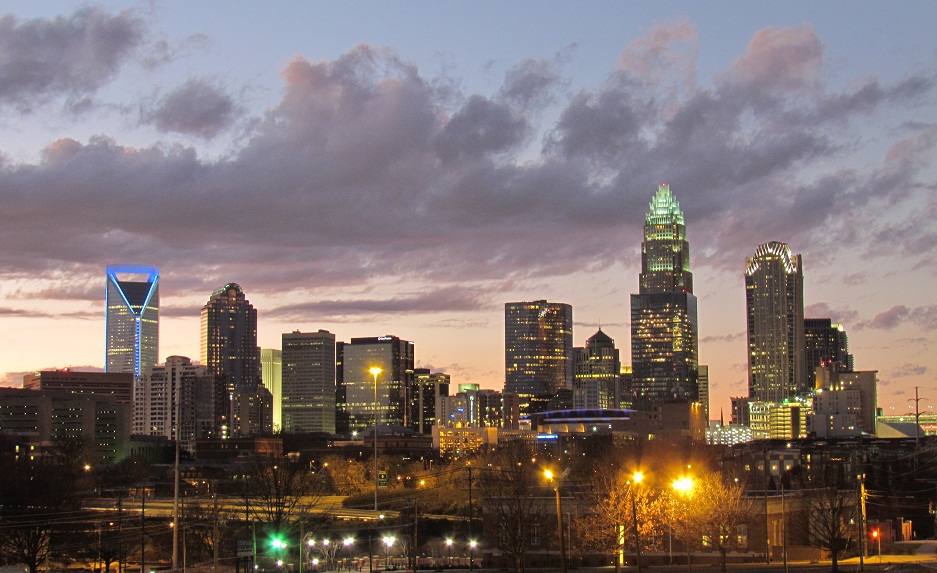
A Charlotte restoration decision should connect the water source, affected building materials and the people responsible for the property. An indoor leak at a managed office, a flooded lower level and fire-related smoke damage need different scopes. This city page combines public company contacts with Charlotte-Mecklenburg stormwater resources and detailed questions for comparing work. It does not label every neighborhood high-risk or substitute a broad local search phrase for an address-specific assessment.
5 published profiles. Editorial selection, not a paid placement, ranking, verified quality claim or guarantee of availability. Nearby office municipalities are preserved. Confirm service to your address directly.
United Water Restoration Group of Charlotte publishes its Westinghouse Boulevard location independently of a separate Huntersville office. The local website describes water, fire and mold restoration with rebuilding capabilities. For an owner comparing phased recovery, the Charlotte contact provides a way to clarify which assessment, cleanup and repair tasks the operator proposes for the affected building.
Services: Water damage, Fire and smoke, Mold remediation, Reconstruction
Listing source: Official local company contact and service information reviewed
All Dry Services of Greater Charlotte publishes a Charlotte contact locality and describes restoration focused on water damage and mold concerns. The record retains its public phone and website without inventing a street that the reviewed contact material does not provide. Owners should confirm dispatch to their address and ask how the proposed work addresses both affected materials and the moisture source.
Services: Water damage, Mold remediation
Listing source: Official local company contact and service information reviewed
Quality Construction & Restoration LLC identifies a North Graham Street office and emphasizes home repairs, construction and restoration work in Charlotte. This is a reconstruction-focused contact rather than an assumed emergency extraction specialist. Owners considering the repair phase can ask which damaged assemblies the business handles, what trades are involved and how the proposal separates recovery work from general improvements.
Services: Reconstruction
Listing source: Official local company contact and service information reviewed
RestorePro Reconstruction's Charlotte location page publishes its South Lakes Drive base, while the main local site describes cleanup through reconstruction. Water, fire and mold losses form part of that recovery offering for residential and commercial premises. The directory uses the current visible local contact, allowing owners to compare project coordination without adopting outdated phone snippets or performance claims.
Services: Water damage, Fire and smoke, Mold remediation, Reconstruction
Listing source: Official local company contact and service information reviewed
Roto-Rooter's Charlotte office is listed on Orr Industrial Court, offering water cleanup alongside its drain and plumbing work. This branch contact is distinct from its separately published southwest Charlotte location. A water-loss owner can ask about the source problem and cleanup scope together, while recognizing that this profile does not classify the office as a general fire or mold-restoration company.
Services: Water damage
Listing source: Official local company contact and service information reviewed
Charlotte's floodzone tools are more useful than a neighborhood guess
Charlotte-Mecklenburg Storm Water Services publishes floodplain information and links its 3D interactive floodzone mapping. Review the actual property and ask the responsible authority about development or repair requirements where the floodplain is involved. A nearby street name or a city-center pin does not establish a building's hazard.
When water enters from outside, preserve observations of the route and depth from a safe location. Keep those notes separate from an indoor plumbing loss or a backup. The observed source helps frame a contractor's assessment, but a cleanup company or directory page should not be treated as the sole authority on mapped risk.
A water-loss scope should follow moisture beyond the first stain
Ask whether adjacent rooms, wall bases, cabinetry and floor layers need evaluation. Water may travel away from the point where the failure was first noticed. Give the assessor the discovery time, any source repair and the history of earlier damage in the same area.
A documented drying plan identifies initial conditions, monitoring and completion criteria. Compare the reason for retaining or removing each material rather than simply counting machines. For affected electrical or mechanical systems, arrange qualified assessment before returning equipment to service.
Managed buildings need one clear line of authorization
For a rental, office or shared building, identify who can approve entry, work on common assemblies and additional charges. Give the contractor the manager's contact details and explain which spaces must remain secure. Work authorization should be clear before crews open finishes or move contents.
Discuss equipment routes, work hours and safe exits for occupied areas. Where phased access is proposed, rely on qualified advice about whether continued use is appropriate. Keep emergency stabilization separate from the reconstruction schedule and confirm relevant public approvals for permanent alterations.
After authorities permit safe access, ask how the company will document soot-affected surfaces and belongings. Request an inventory before pack-out, the location of stored items and approval before disposal. For a business, identify records or equipment that may require priority attention.
Clarify the boundary between cleaning, odor work and reconstruction. A provider may offer all three but should still explain the scope and pricing for each phase. Structural concerns and damaged building systems may require separate professionals; a full-service description does not remove those responsibilities.
Recurring moisture should be resolved before new finishes conceal it
If an earlier leak or recurring dampness preceded visible growth, include that history in the assessment. Ask how the work area will be controlled and which materials are appropriate to clean or remove. Replacing a finish without resolving the source can leave the owner without a meaningful explanation of the condition.
For extensive contamination, uncertain materials or occupant health questions, seek qualified professional advice. This page is not a medical judgment or a clearance certificate. The useful comparison is a coherent moisture-correction plan with documented responsibilities, not a promise that every odor can be solved with one treatment.
Use Charlotte contacts to compare scope, not unverified superiority claims
The five featured profiles are contact options supported by published company information. They are not ranked, endorsed as the best or promised to have crews available. Confirm service to the exact address, the relevant specialty and current scheduling directly with the operator.
Request an understandable authorization covering equipment and monitoring charges, contents terms and approval of extra work. Keep loss-related repairs separate from elective upgrades. Ask the insurer about coverage and retain the contractor's readings, inventories and invoices so the work can be evaluated against a consistent record.
Explain whether the observed water came from outside, plumbing or a backup, and identify adjacent rooms or levels showing damage. Stay clear of active electrical or structural hazards.
Name the authorized decision maker
In rentals or managed buildings, confirm who approves access, shared-area work and changes to the estimate. Give the company a reliable contact for updates.
Ask for a measurable recovery plan
Request affected-material findings, monitoring, contents handling and the criteria for completing drying. Compare the same phases when seeking multiple proposals.
Check the record before closing the project
Collect readings, inventories, invoices and the permanent repair scope. Use official Charlotte-Mecklenburg resources for any floodplain or development questions.
Charlotte city locator and official hazard resources
This map identifies the city center. It is not a parcel-level flood map, company-office marker or coverage boundary. Use the official sources below to investigate the property.
Where can Charlotte owners find official floodzone tools?
Charlotte-Mecklenburg's Flooding and Maps page links official information and 3D interactive floodzone mapping. Check the specific property; the locator here is not a flood-risk map.
What makes a restoration proposal useful for a managed building?
It identifies who authorizes work, how access and security are handled, which areas and materials are affected and how additional work is approved. Shared assemblies may involve more than one responsible party.
Are the featured Charlotte companies paid rankings?
No. This selection is an editorial collection of published profiles, not a paid ranking or a guarantee of performance. Confirm services, terms and availability directly.
Educational information, not a live warning, emergency service, parcel assessment, insurance decision or contractor endorsement. Follow local officials and call 911 for immediate danger.
Published 2026-10-18 · Editorial review 2026-10-18.
Dedicated city restoration pages
Local recovery context, official resources, photographs and selected company contacts.