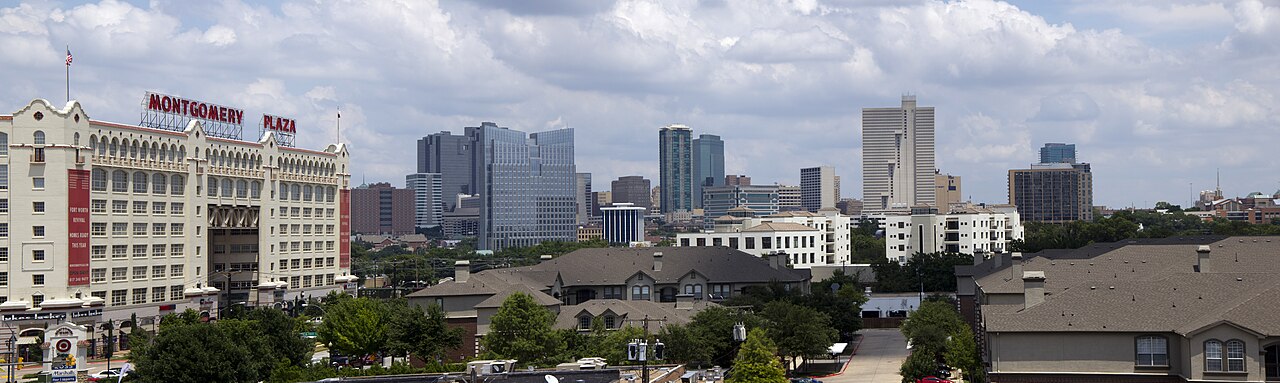
Fort Worth, Texas · Flash-flood decisions & coordination across the Metroplex
Fort Worth restoration companies
Fort Worth restoration work needs to address both the damaged building and the way water reached it. A roof opening after severe weather, an overflowing fixture and water crossing a lot are not interchangeable losses. The purpose of this city page is to make that distinction useful: compare published company services, identify questions for the first site assessment and find authoritative flood resources before making repair decisions. Nearby Metroplex offices are identified by their real locality, not presented as invented Fort Worth branches.
5 published profiles. Editorial selection, not a paid placement, ranking, verified quality claim or guarantee of availability. Nearby office municipalities are preserved. Confirm service to your address directly.
Renew Cleaning and Restoration lists its Fort Worth contact location at Mercantile Plaza and describes water, fire and mold recovery alongside repair work. The address is kept separate from the company's Houston-area office. For a Metroplex loss, owners can ask this operator how emergency stabilization, cleaning and subsequent reconstruction would be divided in a written proposal.
Services: Water damage, Fire and smoke, Mold remediation, Reconstruction
Listing source: Official local company contact and service information reviewed
Restoration Solutions publishes a Trinity Boulevard address in Fort Worth and describes service across the Dallas–Fort Worth Metroplex. Rebuilding accompanies its advertised mold remediation, fire recovery and water-loss services. The company's project-oriented material gives owners a starting point for discussing both damaged finishes and the responsibilities that continue after initial cleanup.
Services: Water damage, Fire and smoke, Mold remediation, Reconstruction
Listing source: Official local company contact and service information reviewed
Roto-Rooter's Fort Worth branch is identified on Marsalis Street with local plumbing, drain-cleaning and water-cleanup services. A property owner facing an active leak or backup can use that contact to discuss source correction alongside the resulting damage. The listing records this office specifically rather than merging it with the separately published West Fort Worth branch.
Services: Water damage
Listing source: Official local company contact and service information reviewed
911 Restoration of Fort Worth publishes a local contact and distinct service pages for water damage, mold removal, fire and smoke cleanup. Its information also addresses documentation and insurance-related questions, without establishing that any particular policy will pay. Owners can ask the branch which immediate mitigation and follow-on recovery tasks are included in its proposed work.
Services: Water damage, Fire and smoke, Mold remediation
Listing source: Official local company contact and service information reviewed
Stanley Steemer's Fort Worth location combines its cleaning services with a published water-damage restoration offering. The Sun Valley Drive office page describes inspection, project documentation and a drying strategy, giving owners a water-focused option rather than an inferred fire or mold contractor. The local contact can clarify how structural drying and any cleaning needs would be assessed together.
Services: Water damage
Listing source: Official local company contact and service information reviewed
A Fort Worth flood decision starts with the property, not the skyline
Fort Worth's stormwater program is the starting point for local drainage and floodplain information. Use current official tools for the property rather than a generalized city risk score. A nearby creek, drainage route or low point may be relevant, but no directory map can establish the hazard at an individual building.
For water that arrives from outside, document the direction and visible entry points from a safe location. Preserve water marks and photographs before cleanup alters the scene. Do not enter moving water or use a driveable-looking road as proof that conditions are safe elsewhere on the property.
After wind or roof damage, protect the opening and assess what got wet
Temporary roof protection or board-up work can reduce additional exposure when professionally installed under safe conditions. It does not determine whether insulation, ceiling cavities or adjacent finishes are wet. Ask the company to explain the transition from emergency protection to a documented interior assessment.
Where several trades are involved, name the person coordinating the Fort Worth project. Clarify responsibility for weatherproofing, electrical safety and permanent repairs. A written sequence is more useful than overlapping promises from a roofer, a cleanup crew and a remodeling contractor.
Water extraction, drying and removal are different decisions
Extraction removes accessible water; drying addresses moisture remaining in materials and enclosed spaces. Ask how the proposed equipment relates to the affected rooms and how progress will be monitored. Before demolition, request a description of the material, its condition and why removal is necessary.
A home with occupied rooms needs safe cable routing and a plan for equipment access. A warehouse or shop may have inventory, sensitive equipment or security restrictions to consider. Explain those constraints before the first crew arrives so practical details do not become expensive surprises after authorization.
Fire and smoke cleanup should preserve an inventory trail
Once the scene is released, identify which items will remain on site and which may be packed out. A useful contents plan records condition, destination and disposal approvals. Ask about separation of affected and unaffected belongings so the cleanup process does not create a second documentation problem.
Cleaning and deodorization should be described by area and material rather than as a vague whole-house treatment. Where reconstruction is proposed, establish whether the same business manages it and which trades are involved. Follow professional safety advice before entering or using damaged electrical and mechanical systems.
Recurring moisture needs a source correction, not cosmetic concealment
Tell the assessor if the same wall, closet or floor has been wet before. Repeated staining can require investigation of a continuing source even when the latest visible loss appears small. A remediation scope should identify affected material, work-area controls and the moisture problem that must be corrected.
Avoid choosing between companies solely by a promise of a fast paint-ready finish. Ask what conditions must be met before closing the assembly, and whether testing or independent specialist advice is appropriate for the circumstances. Occupant concerns and the extent of damage may change the work needed.
The five highlighted profiles are editorially selected contact options, not a quality ranking. Confirm that the operator handles the loss at your address, ask which office or crew will attend and get current scheduling information directly. A service region is not a response-time guarantee.
Request separate prices or allowances for stabilization, contents, drying and reconstruction. Identify excluded rooms, optional upgrades and the approval process for additional damage. Before rebuilding, check relevant local permit or floodplain requirements and keep the insurance conversation separate from the contractor's obligation to explain its charges.
Give the Fort Worth dispatcher safe entry details and tell them about water near power, damaged roofs or blocked exits. Follow emergency directions rather than attempting risky temporary repairs.
Build a loss-specific photo record
Record entry points, water lines, affected finishes and belongings before removal where safe. Keep roof, plumbing and outside-water observations distinct.
Confirm the people handling each phase
Ask who performs extraction, monitors drying, handles stored contents and manages reconstruction. Identify who must approve extra work beyond the first authorization.
Check the condition before replacement
Request drying documentation and applicable inspection or permit records before new finishes hide the assembly. Keep receipts and the final scope together.
Fort Worth city locator and official hazard resources
This map identifies the city center. It is not a parcel-level flood map, company-office marker or coverage boundary. Use the official sources below to investigate the property.
Does a Fort Worth locator map show my home's flood zone?
No. The embedded map is for geographic orientation only. Use the linked city stormwater resources and FEMA address lookup for official flood information.
Should temporary roof protection include interior drying?
Not automatically. Ask for a separate interior assessment and an explanation of any wet insulation, ceilings or wall cavities. The scope should state who handles each part.
Can I compare Metroplex providers without assuming a local branch?
Yes. Compare documented service coverage and the office locality shown on the listing. Confirm dispatch availability directly; a company can serve Fort Worth without operating a branch in each neighborhood.
Educational information, not a live warning, emergency service, parcel assessment, insurance decision or contractor endorsement. Follow local officials and call 911 for immediate danger.
Published 2026-10-18 · Editorial review 2026-10-18.
Dedicated city restoration pages
Local recovery context, official resources, photographs and selected company contacts.