Hurricane preparation, emergency tarping & mitigation
A hurricane plan should cover both the days before landfall and the decisions after damage occurs. Use this guide to prepare your household, follow official evacuation instructions, document losses safely, and contact qualified professionals for temporary roof protection and water mitigation. Wind, storm surge, and inland flooding create different hazards; emergency availability and insurance coverage must always be confirmed directly.
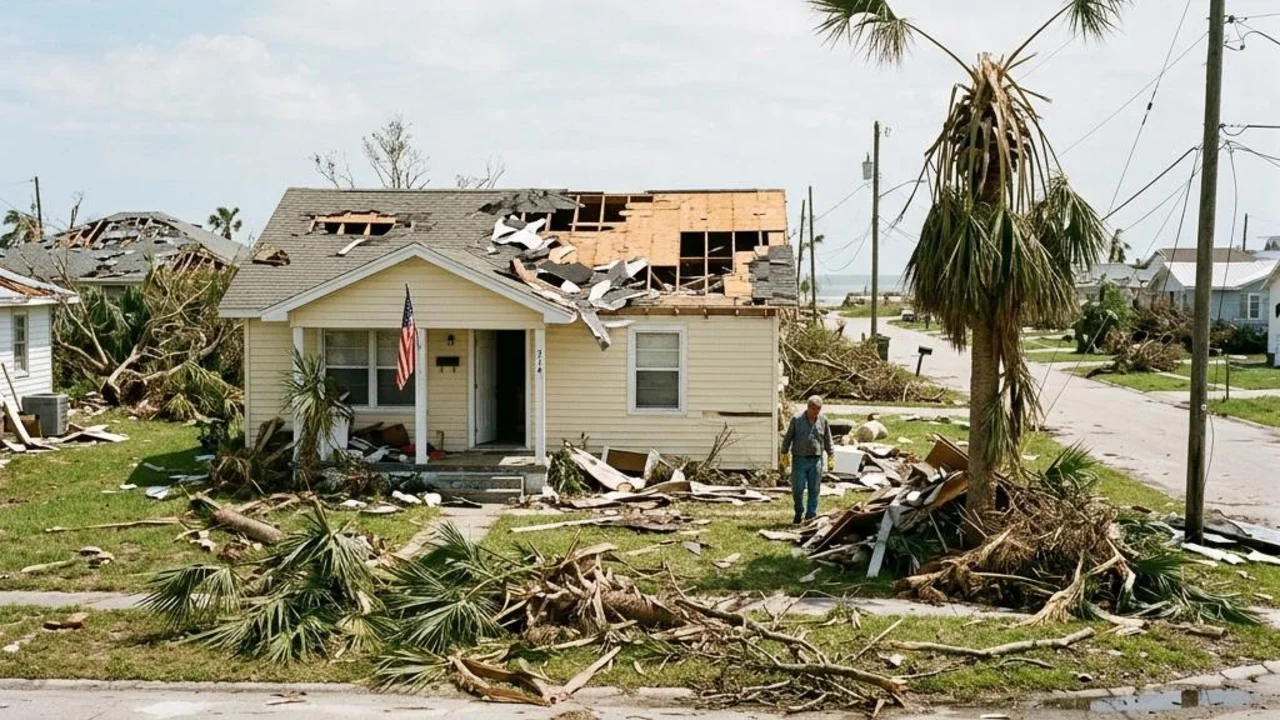
Life safety comes first: call 911 for immediate danger and follow local emergency officials. Water Damage Dispatch is a company directory, not a first-responder service or emergency dispatch operator. Listings do not verify emergency capacity, roof-tarping services, hurricane specialization, or insurance coverage.
Before hurricane season: build a household plan
Find your local evacuation zone and the emergency-management office that issues instructions for your address. Flood-risk maps and evacuation zones serve different purposes: being outside a mapped floodplain does not mean your home is safe from storm surge, rainfall flooding, or an evacuation order. Hurricanes can cause serious damage far inland.
Agree on a destination, backup route, meeting location, and an out-of-area contact. Plan transportation for everyone in the household, including children, older adults, people with disabilities, and pets. Check shelter pet policies and arrange help early for anyone who needs accessible transportation, refrigerated medication, or powered medical equipment. Do not assume public shelters can meet every medical need.
Save contact details for your insurer, landlord or property manager, utility company, and local emergency-management office. Identify roofing and restoration businesses before an emergency, but remember that an existing contact is not a reservation for a crew. A hurricane can disrupt staffing, roads, power, and phone service across an entire region.
- Know your evacuation zone and two possible routes.
- Choose a household contact and a backup communication method.
- Plan for medical needs, accessibility, pets, and transportation.
- Enable local alerts and follow the National Hurricane Center and local officials.
Prepare supplies, important documents & insurance records
Prepare food, drinking water, necessary medication, first-aid supplies, hygiene items, flashlights, batteries, a radio, phone chargers, and backup charging devices for several days or longer as local officials recommend. Include infants' and pets' needs. Keep a go-bag ready so gathering belongings does not delay evacuation. Store supplies where the household can reach them without climbing or entering floodwater.
Photograph your home's rooms, major belongings, roof from ground level, and exterior before a storm. Keep an inventory with model numbers or receipts when available. Store copies of identification, prescriptions, insurance policies, emergency contacts, and essential records in a waterproof container and a secure digital backup. Do not send sensitive policy or identity documents to an unverified contractor.
Review wind, hurricane, flood, and applicable deductibles with your insurer before the forecast becomes urgent. Standard homeowners policies generally do not cover flood damage, and separate flood coverage may have a waiting period. Coverage depends on policy language and the actual cause of loss; neither this directory nor a contractor can promise an insurer's approval.
- Pack medication, first-aid supplies, flashlights, food, water, and chargers.
- Prepare accessible supplies and pet supplies.
- Back up your home inventory, policies, identification, and key contacts.
- Ask your insurer about flood coverage, deductibles, and emergency-work documentation.
Protect the property before unsafe weather arrives
Arrange roof, flashing, gutter, drainage, tree, shutter, and garage-door inspections before hurricane season rather than waiting for a warning. Use qualified professionals for roof or elevated work. Maintain installed storm protection according to its manufacturer and local requirements, and bring in unsecured furniture, planters, tools, and other objects that could become windborne debris.
Finish safe preparation early. Do not climb onto a roof or use a ladder in high winds, rain, or when surfaces are wet. Do not improvise structural bracing or make alterations beyond your qualifications. Move important belongings away from likely water entry if this can be done safely, and ask a professional about protecting equipment located in flood-prone areas.
An already damaged or leaking roof needs a qualified assessment. A loose household tarp is not a substitute for a professionally evaluated temporary covering, and temporary protection is not a guarantee against hurricane winds. If the roof or structure is unsafe, leave and follow officials' instructions rather than trying to save possessions.
- Secure loose outdoor items before weather deteriorates.
- Use approved storm protection and professional roof inspections.
- Do not perform roof or ladder work during storm conditions.
- Do not delay evacuation to finish property preparation.
When a storm approaches: alerts, evacuation & final checks
Monitor official forecasts and local alerts, not only the storm's category or track graphic. Rainfall, surge, tornadoes, and dangerous winds can extend well beyond a forecast point. A watch is a cue to prepare; a warning and local evacuation instructions require timely action. Local orders take priority over this checklist.
Charge devices, confirm your destination and route, fill necessary prescriptions when possible, and check your transportation plan while roads and services remain accessible. Tell your household contact where you are going. If officials tell you to evacuate, leave when instructed; do not wait for visible flooding or a contractor's arrival.
If officials advise sheltering in place, follow their instructions about a safe location and keep supplies nearby. Do not walk, swim, or drive through floodwater. A lull or the storm's eye is not an all-clear: dangerous winds can return. Do not go outside to assess roof damage until authorities and conditions permit it.
- Follow official local evacuation instructions, including timing.
- Keep phones, power banks, radio, and flashlights ready.
- Communicate your destination and check on people who need help.
- Stay away from floodwater; do not treat calm conditions as an all-clear.
After the storm: safe reentry comes before cleanup
Return only after local authorities permit reentry, and obey curfews, road closures, water advisories, and building restrictions. Stay away from downed lines, floodwater, damaged trees, and unstable buildings. Do not enter a damaged building until local authorities determine it is safe. Sagging ceilings, shifting sounds, leaning walls, or a gas smell are reasons to leave immediately and contact the appropriate emergency or utility service from a safe location.
Do not handle wet electrical devices or walk into water to reach a breaker. Have qualified utility personnel or an electrician assess hazards. Use flashlights rather than candles. Operate fuel-burning generators outdoors, at least 20 feet from doors, windows, and vents, and use battery-powered or battery-backup carbon-monoxide alarms. Never run a generator in a home, garage, basement, or enclosed space.
Take photographs from safe ground-level positions. Do not climb a roof, enter an unstable room, or stand below a damaged ceiling for a better picture. If access remains restricted, tell contractors about the restrictions and arrange assessment only when lawful and safe. An emergency service request does not authorize anyone to ignore an evacuation order.
Step 1: find and contact an emergency roof-tarping provider
Start with the storm-damage company directory and choose your state or service area. Review a company's public profile and use its listed contact information to reach the business directly. Ask specifically about emergency roof tarping: a storm-damage listing does not establish that the company offers roofing work, has licensed roofing crews where required, or has a crew available during the disaster.
If a listed restoration company does not provide roof protection, ask whether it can coordinate with a qualified roofing contractor, or contact a local roofing company or your insurer's emergency vendor directly. Contact more than one provider if possible, and ask each to confirm that your address is within its current response area. Do not rely on an unanswered form as a confirmed dispatch.
Describe roof openings, missing shingles, visible leaks, affected rooms, and any known access or safety restrictions without getting onto the roof. Ask who will assess structural safety, who will install the covering, and whether work must wait for wind, rain, daylight, or access conditions. Only the provider can give a current scheduling estimate; no directory listing guarantees same-day or 24/7 response.
- Open storm-damage profiles and contact companies using their listed phone or website.
- Ask: Do you actually offer emergency roof tarping at my address?
- Confirm qualified crews, required licensing, insurance, safe access, and current availability.
- Ask for a written assessment, scope, estimate, and realistic arrival window.
- If no tarping provider is available, contact a qualified local roofer or insurer directly.
Step 3: contact water-mitigation services and coordinate the response
If water has entered the property, contact water-damage providers as well as the roof-protection company. Roof tarping limits one source of additional rain entry; it does not remove standing water or dry wet walls, flooring, insulation, or belongings. A roofer and a mitigation company may need to coordinate timing, safe access, electricity, and protection of affected areas.
Tell the mitigation provider whether the water appears to be roof leakage, storm surge, river or surface flooding, or sewage backup, and explain what you actually observed. Floodwater can contain waste, chemicals, debris, and electrical hazards. Do not assume it is clean water or try to diagnose contamination yourself. Ask who will assess water conditions, structure, electrical safety, and any need for specialized remediation.
Ask about current capacity for assessment, extraction, controlled removal of unsalvageable materials, drying equipment, dehumidification, moisture monitoring, and contents handling. Drying should begin promptly when safe; waiting can increase secondary damage. Safety restrictions and contamination concerns take priority over speed. Do not operate fans in suspected mold contamination without professional guidance, because air movement can spread contaminants.
- Use water-damage profiles and confirm your location and actual emergency availability.
- Describe the water source, affected rooms, access restrictions, and roof-protection status.
- Ask for assessment, extraction, drying, moisture monitoring, and contamination controls.
- Coordinate the roofer, mitigation crew, utility professionals, property manager, and insurer.
- Separate emergency mitigation costs from reconstruction and permanent roof repairs.
Browse water-damage listings and confirm mitigation directly
What to say when calling for tarping or mitigation
Use a concise description: My property is in [city and ZIP]. Reentry is [permitted or restricted]. I can see [damage] from a safe location. Water is affecting [rooms]. I need [roof assessment and temporary tarping, water mitigation, or both]. Can your qualified team handle this service at my address, and what is your current assessment window?
Ask for the name of the person handling the request, the legal business name, a callback number, and a written confirmation of the agreed assessment or service. Confirm how the crew will identify itself. Share the full address and essential access details only with the provider you are contacting, and avoid publicly posting access codes, identity documents, or sensitive policy information.
If communications are unreliable, keep a dated record of companies contacted, callbacks, quoted scheduling windows, and what was actually agreed. A voicemail, inquiry, or directory search is not a work authorization or a confirmed appointment. If no company can respond, ask your insurer and local emergency-management office about available guidance, without waiting in an unsafe property.
- City/ZIP and a safe callback method.
- Observed damage and water source, if known.
- Official reentry status and access restrictions.
- The exact service requested and whether temporary roof protection is already in place.
- Crew credentials, written scope, costs, and the confirmed assessment window.
What professional mitigation usually involves
A professional response generally begins with safety assessment and documentation, followed by measures to limit additional damage where safe. The company may extract water, isolate affected areas, remove materials that cannot be effectively cleaned or dried, address contaminated water, and install suitable drying equipment. The exact scope depends on the source of water, affected materials, building conditions, and qualified assessment.
Ask the company to record baseline moisture conditions, equipment placement, progress readings, and the criteria used to decide when drying is complete. Dry-looking surfaces do not necessarily mean hidden assemblies are dry. Request documentation of materials removed, contents handling, equipment days, and approved changes. Significant structural, electrical, asbestos, or other hazards may require separate qualified specialists.
Mitigation limits further damage; reconstruction restores the building. They can be separate contracts, crews, schedules, and costs. Ask who is responsible for each phase, how temporary roof protection will be maintained, and whether permits or inspections are required for permanent repairs. Do not treat installed drying equipment as proof that the home is ready for occupancy.
Document the loss and coordinate with your insurer
Report the loss promptly through your insurer's official contact channel. Ask about claim requirements, reasonable emergency protection, coverage questions, deductibles, and what records to preserve. Photograph affected spaces and belongings before work or disposal when safe; keeping evidence does not justify remaining in a dangerous building or delaying necessary emergency protection.
Keep tarping estimates, mitigation authorizations, invoices, photographs, receipts, moisture reports, and a timeline of what you observed. Wind-driven rain through damaged roofing and flooding from rising water can have different policy treatment. Describe the facts separately rather than guessing at a single cause or letting a contractor decide coverage for you.
Review payment responsibility even if a company will submit documents to your insurer. Ask about any assignment of benefits, direction-to-pay, cancellation provisions, financing, and authorization to expand work. Legal rules vary by location, and contractors are not a substitute for independent insurance or legal advice. The directory does not adjust claims, approve benefits, or guarantee reimbursement.
Official temporary-roof assistance & contractor-fraud precautions
When activated for a specific disaster, the U.S. Army Corps of Engineers' Operation Blue Roof may provide temporary roof protection at no cost to eligible homeowners in designated areas. It is not always active, does not cover every roof or property, and has disaster-specific eligibility, authorization, and application deadlines. Check the official USACE program information and local emergency notices; this directory cannot enroll you or confirm eligibility.
Treat unsolicited demands for payment to obtain a government Blue Roof installation as a warning sign. Verify assistance through official government channels. Do not confuse a private company's paid tarping service with a government assistance program, and do not assume a blue-colored tarp indicates government work.
For private work, verify the business independently and be cautious about high-pressure door-to-door solicitations, unverifiable credentials, unusually large upfront payments, vague contracts, or promises of guaranteed insurance reimbursement. Get written terms and receipts, and confirm the crew's identity before granting access. If you suspect fraud, contact the relevant licensing board, consumer-protection office, or law-enforcement agency.
Frequently asked questions
- Should I wait for a tarping crew before evacuating?
- No. Follow official evacuation instructions immediately. Property protection and contractor scheduling must never delay evacuation or justify returning before reentry is permitted.
- Does a storm-damage listing mean emergency roof tarping is available?
- No. Contact the business directly to confirm roof-tarping services, qualified crews, required credentials, current capacity, and response area. Some restoration businesses do not offer roofing work and may need to coordinate with a separate roofer.
- Can I install a tarp on a hurricane-damaged roof myself?
- Do not climb a damaged, wet, or wind-exposed roof or use a ladder in storm conditions. Roof damage, hidden structural weakness, and electrical hazards require qualified assessment. Ask an appropriately qualified professional about safe temporary protection.
- What is the difference between tarping, mitigation, and repairs?
- Tarping provides temporary roof protection. Mitigation addresses further damage through assessment, water removal, contamination controls, and monitored drying. Permanent roof repair and reconstruction are separate restoration phases and may require different contractors, contracts, and permits.
- How quickly can an emergency provider arrive?
- Only the provider can confirm current availability. Widespread damage, road closures, weather, staffing, and access restrictions affect scheduling. A directory listing, voicemail, or contact form does not guarantee dispatch, same-day service, or a confirmed appointment.
- Will insurance pay for tarping and water mitigation?
- Coverage depends on the policy, deductibles, cause of loss, and insurer's assessment. Ask your insurer about emergency-work requirements and keep written scopes, photographs, invoices, and drying records. Neither a contractor nor this directory can guarantee payment.
- Is Operation Blue Roof always available after a hurricane?
- No. USACE activates the program for certain disasters and designated areas, with specific eligibility and deadlines. Check official USACE and local emergency-management information. The directory cannot determine eligibility or submit an application for you.
- What if I cannot find a company offering emergency tarping?
- Contact a qualified local roofing contractor, your insurer's emergency vendor, or local emergency-management office for guidance. Continue following access restrictions and do not attempt unsafe roof work. Do not remain in a hazardous property while waiting for a callback.