A damaged home is not automatically a safe shelter.
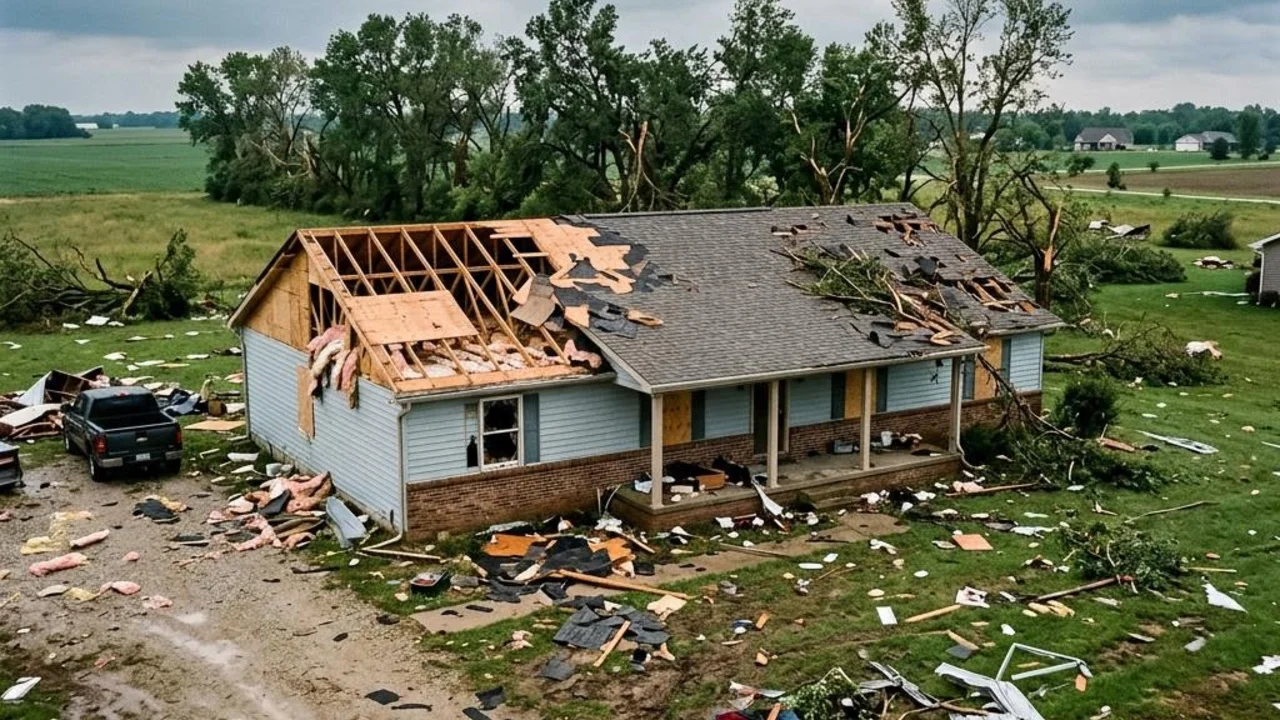
Tornado damage can look localized while leaving roofs, walls, utilities, and neighboring properties unstable. Listen to emergency officials, stay out of restricted areas, and let qualified people assess hazards before cleanup begins.
This is general information, not structural engineering or an official safety clearance. Follow emergency management, utility, and building-authority instructions.
The right shelter during a warning is not a reentry plan
During a tornado warning, move to a designated storm shelter or a small, interior, windowless room on the lowest level of a sturdy building, following Ready.gov guidance. A damaged home after the storm is a different situation: follow local authorities and do not assume a basement, room, or neighboring building remains structurally sound.
Wait for emergency officials to permit access. If you hear shifting, see bowed walls, a sagging roof, exposed wiring, smell gas, or find debris blocking exits, stay clear and report it. Do not enter to retrieve belongings. Call emergency services or the utility for immediate hazards.
- During a warning: use the safest available designated shelter.
- After impact: heed official access restrictions and avoid damaged structures.
- Keep clear of broken utility lines and unstable debris.
Downed lines and debris can hide serious hazards
Keep away from fallen power lines and broken utility lines; assume they are live. Do not touch wires, fences, water, or objects that may be in contact with them. Report hazards to the utility or emergency responders. Avoid operating equipment near downed lines or damaged service connections.
Wear sturdy footwear and protective clothing only if officials say the area is safe to enter. Do not move heavy structural debris or use a chainsaw around unstable limbs or a damaged roof unless trained and properly equipped. Tornado cleanup can also involve broken glass, nails, dust, and water-damaged materials.
Record what happened without entering danger
From a safe location, photograph the exterior and visible damage, noting the date and address. Once access is officially permitted, make room-by-room photographs and list damaged contents before disposal. Include fallen trees, openings, water intrusion, and temporary protective work. Do not climb onto a roof to get a better picture.
Save receipts for lodging, supplies, cleanup, and temporary repairs. Keep incident numbers, official notices, estimates, and insurer correspondence together. Ask the insurer what it needs before discarding damaged property, unless an urgent safety issue requires removal.
A useful assessment separates stabilization from repair
A storm restoration assessment may describe roof and exterior openings, water intrusion, debris, and materials that need drying or repair. It should identify conditions that cannot be evaluated safely and recommend appropriate specialists when structural, electrical, tree, or roofing work is outside the company's scope.
Request a written estimate showing affected areas, work included, materials, exclusions, cleanup, and how changes are authorized. Ask who performs each trade and what local licensing or insurance applies. Directory listings report services; they do not prove tornado-specific expertise, emergency response capacity, or safety clearance.
- Compare written scopes for stabilization, drying, and repairs.
- Confirm each company's scope and capabilities directly; listings do not verify tornado specialization.
Insurance and assistance require their own verification
Contact your insurer when safe and ask about the claim process, inspection, emergency stabilization, and documentation. Coverage is policy-specific and may depend on the cause, exclusions, limits, and evidence. Keep written approvals and itemized receipts; do not treat an estimate as a coverage decision.
If the event is part of a declared disaster, check official state and federal information for current assistance options and deadlines. A directory or restoration contractor is not an official disaster-assistance source and cannot promise reimbursement.
Frequently asked questions
- Can I go into my home after a tornado if it looks intact?
- Follow emergency officials and local building authorities. Hidden structural and utility damage may exist even when the exterior looks largely intact.
- Where should I shelter during a tornado warning?
- Ready.gov advises a designated storm shelter or a small, interior, windowless room on the lowest level of a sturdy building. Follow current local alerts; do not use a damaged structure as shelter.
- Can I move debris or cut fallen trees myself?
- Avoid unstable structures, downed utilities, and dangerous equipment work. Wait for officials and use appropriately qualified professionals for hazards beyond safe ordinary cleanup.
- Do storm restoration companies guarantee tornado repairs are covered?
- No company or directory should promise coverage. Your insurance policy and the claim facts determine the decision; confirm requirements directly with the insurer.